
Rise in environmental temperature puts a great stress on the dairy animals. High temperature lowers the milk production of animals due to lower feed intake and added heat load on the animals. These views were expressed by Dr. Yashpal Singh, HoD of Livestock production Management, Guru Angad Dev Veterinary & Animal Sciences University, Ludhiana. He said that due to scorching heat, proper shelter and housing management, water application, changes in feeding regime, preventive health management etc. are some of the techniques to minimize the effect of thermal stress. Well ventilated sheds with proper standing and resting space must be provided to dairy animals. Open end of the shed should be covered with thatched bamboo, Jute, Curtains. Sheet roof may also be covered with thatch or top of the roof may be painted with white and under surface with dark colour. Shady trees should be planted around the sh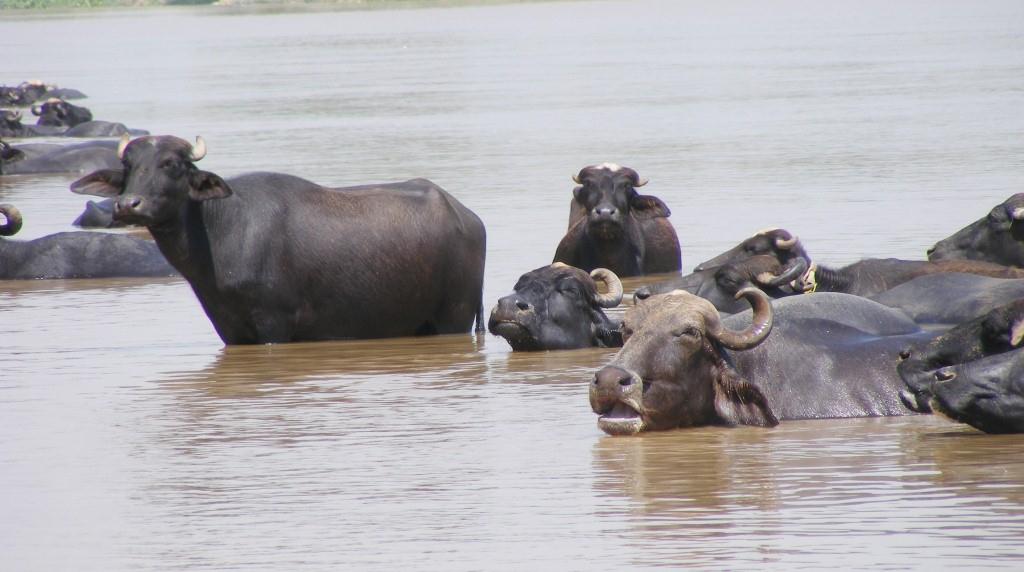 eds especially at the southern wall/boundary for further cooling. As water is the most essential input in summer, special care should be given to this. Water splashing, showering, sprinkling and fogging of water on animals, inside the shed 3-4 times during the hottest part of the day (11.00 AM to 4.00 PM), again reduces heat load and enhances productivity due to evaporative cooling. These methods are more effective in buffaloes as they have sparse sweat glands compared to cattle. Animals should be wallowed in clean water ponds during extreme hot weather (between 11 AM to 4PM). Wallowing arrangements should be made at the farm itself as taking the animals to the pond in hot sun neutralizes the beneficial effect of wallowing. On large- commercial dairy farms various cooling devices viz. fans, wet curtains or panels, air cooler or conditioners etc. may be used during extreme hot conditions. Provision of ample fresh, cooled potable drinking water (In earthen pitchers commonly used in villages) also helps in reducing the heat load. Shaded water troughs in sufficient numbers should be provided to the animals at a convenient place.
Heat detection should be done, 2-3 times when the animals are stress free and relaxing during the early or late hours of the day. Never detect heat when animals are hungry, or under any type of stress.
Dr. Jaspal Singh Hundal, HoD of Animal Nutrition advised dairy farmers to adopt optimum feeding practices during hot weather to minimize heat stress losses in dairy animals. He emphasized that as feed intake declines d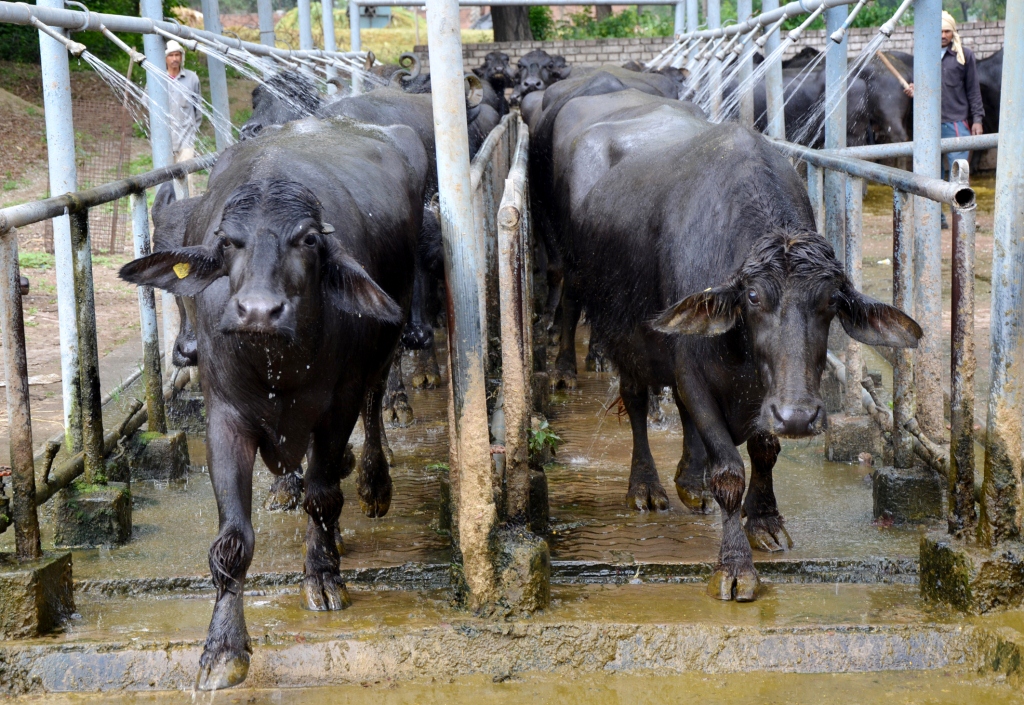 uring summer, the energy density of the ration should be increased through supplementation of bypass/protected fat, while excess dietary protein should be avoided by maintaining a balanced Rumen Degradable Protein: Rumen Undegradable Protein ratio to reduce metabolic heat production. Farmers should use highly digestible quality fodders such as maize silage, berseem hay, and fresh green fodder, while limiting poor-quality straw in the ration. Supplementation of yeast, sodium bicarbonate, electrolytes, and adequate potassium, sodium, and magnesium is also important to maintain rumen health, hydration, and mineral balance. He also recommended offering slightly moistened TMR and feeding 60–70% of the ration during evening or night hours, along with ensuring adequate feeding and watering space.
Dr. Paramjit Kaur, Professor-cum-Head, Veterinary Parasitology informed that proper deworming and vaccination schedule must be followed for maintaining the health of animals. Infestation of the ecto-parasites increases during summer, so it should be controlled properly by using suitable acaricidal spray on animals as well as in the shed, especially in corners and crevices.
Biosecurity is the key during this time and no visitor/outsider should be allowed to enter farm premises and at the entry disinfectant should be dusted.
Proper care and management techniques during the summer season will help farmers to maintain healthy animals, more milk production and assured profit from dairy farming