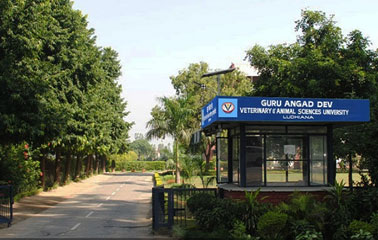

Guru Angad Dev Veterinary & Animal Sciences University , Ludhiana organised a comprehensive one-day workshop on "A Practical Approach to Blood Transfusion in Pets and Livestock" .The Department of Veterinary Medicine hosted the event with active participatio.jpeg) n from Veterinary Officers of the Department of Animal Husbandry, Punjab, along with faculty members and postgraduate students.
n from Veterinary Officers of the Department of Animal Husbandry, Punjab, along with faculty members and postgraduate students.
Dr Sushma Chhabra, Head, Department of Veterinary Medicine said that blood transfusion is increasingly recognised as a life-saving intervention in veterinary emergency care. Animals suffering from severe blood loss due to accidents, surgery, parasitic infestations, poisoning, haemorrhagic diseases, and anaemia urgently require transfusion support.
.jpeg) Dr. J.P.S. Gill, Vice-Chancellor, stated that these types of capacity-building programmes are crucial for equipping veterinarians with advanced clinical skills. He observed that the demand for specialised veterinary services is increasing rapidly, particularly in the areas of emergency medicine and critical care. Such training programmes help ensure that veterinarians remain updated with modern diagnostic and therapeutic techniques,
Dr. J.P.S. Gill, Vice-Chancellor, stated that these types of capacity-building programmes are crucial for equipping veterinarians with advanced clinical skills. He observed that the demand for specialised veterinary services is increasing rapidly, particularly in the areas of emergency medicine and critical care. Such training programmes help ensure that veterinarians remain updated with modern diagnostic and therapeutic techniques,.jpeg) ultimately leading to improved animal welfare, enhanced livestock productivity and better healthcare outcomes for pets and farm animals alike.
ultimately leading to improved animal welfare, enhanced livestock productivity and better healthcare outcomes for pets and farm animals alike.
Participants received expert lectures combined with hands-on practical sessions covering donor selection, blood collection techniques, blood grouping and cross-matching procedures, blood product storage, handling protocols, and safe transfusion practices. Dr. Sujata Turkar, in-charge of the blood transfusion facility, highlighted the importance of fostering a culture of voluntary blood donation for companion animals and appealed to pet owners, who have healthy adult dogs, to register their pets as voluntary donors.
Dr. Swaran Singh Randhawa, Dean, College of Veterinary Science, highlighted the growing need for strengthened transfusion services in veterinary hospitals, emphasising that proper transfusion protocols are essential for reducing complications and improving treatment outcomes. He encouraged the Veterinary Officers to apply the knowledge and skills acquired during the workshop for the betterment of animal health services across the state.