
In a significant step towards incentivising climate-resilient agriculture, farmers from Punjab and Haryana adopting resource-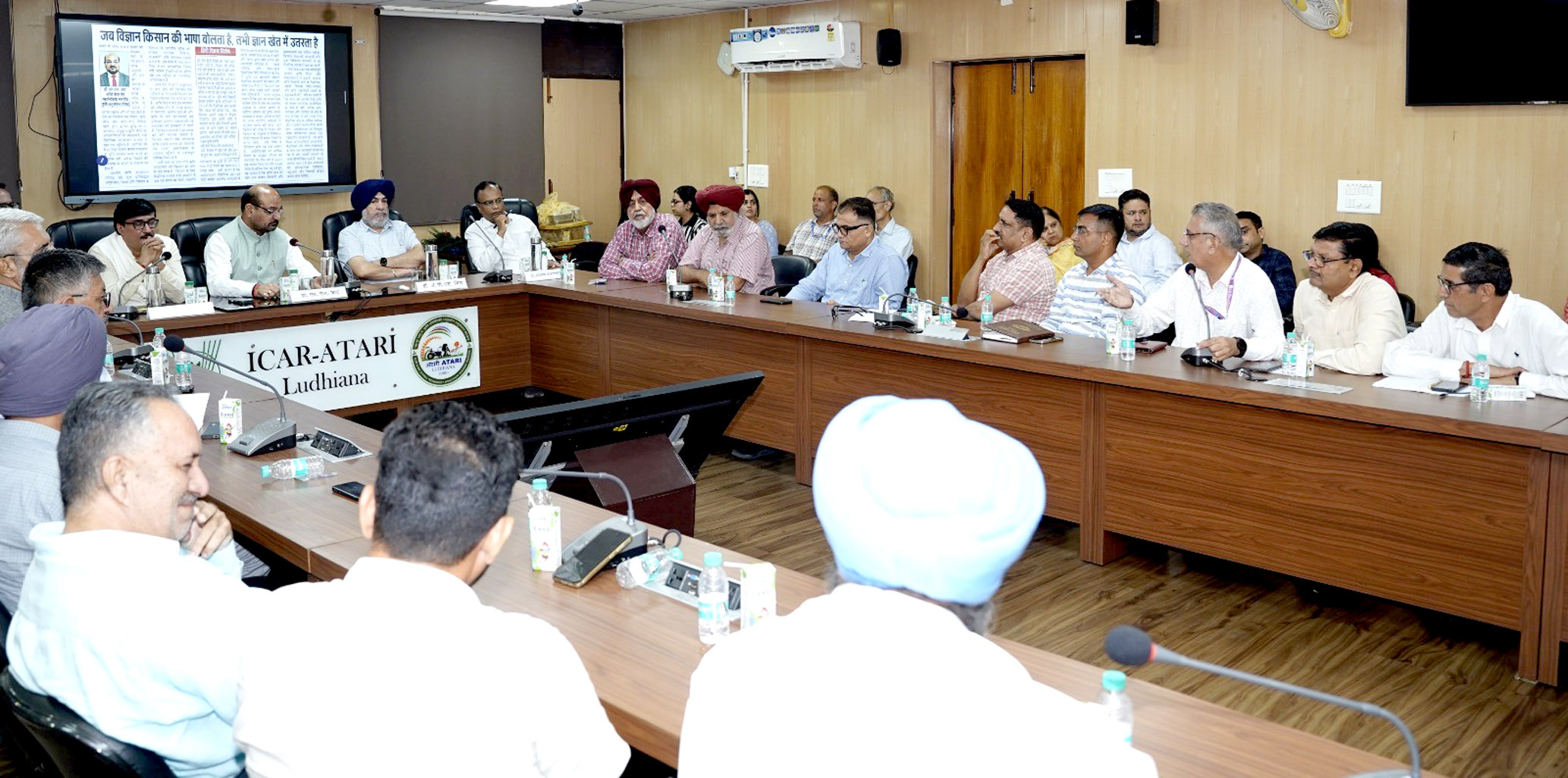 conserving practices were felicitated at an event “Honouring Our Farmers”. The event highlighted the emergence of carbon credits as an economic incentive for adopting practices that reduce emissions while conserving soil and water resources.
The farmers were felicitated in the presence of Dr. M. L. Jat, Secretary, DARE & Director General, ICAR; Dr. Rajbir Singh, Deputy Director General (Agricultural Extension), ICAR; and Dr. Usha Barwale Zehr, Executive Director, Growindigo. The programme brought together senior officials, scientists, extension functionaries, agricultural institutions and farming communities to highlight the growing convergence of agricultural science, climate action and new economic opportunities.
Dr. M. L. Jat also interacted with KVK officials of Punjab regarding an action plan of prevention of paddy straw burning in the coming months. Dr. J.P.S. Gill, Vice-Chancellor, advocated eco-friendly agricultural practices. The initiative builds on the transition underway in north-western India from preventing crop-residue burning to promoting in-situ residue management, Direct Seeded Rice (DSR), reduced tillage, crop diversification and soil-health restoration. Besides improving resource-use efficiency, these interventions can generate measurable environmental benefits that, when scientifically quantified and verified, can be converted into carbon credits.
Initiated by Growindigo in 2019 with technical guidance from ICAR, the carbon-credit programme has provided a practical pathway for linking such interventions with financial returns. More than 2,500 smallholder farmers in Punjab and Haryana have received digital carbon-cred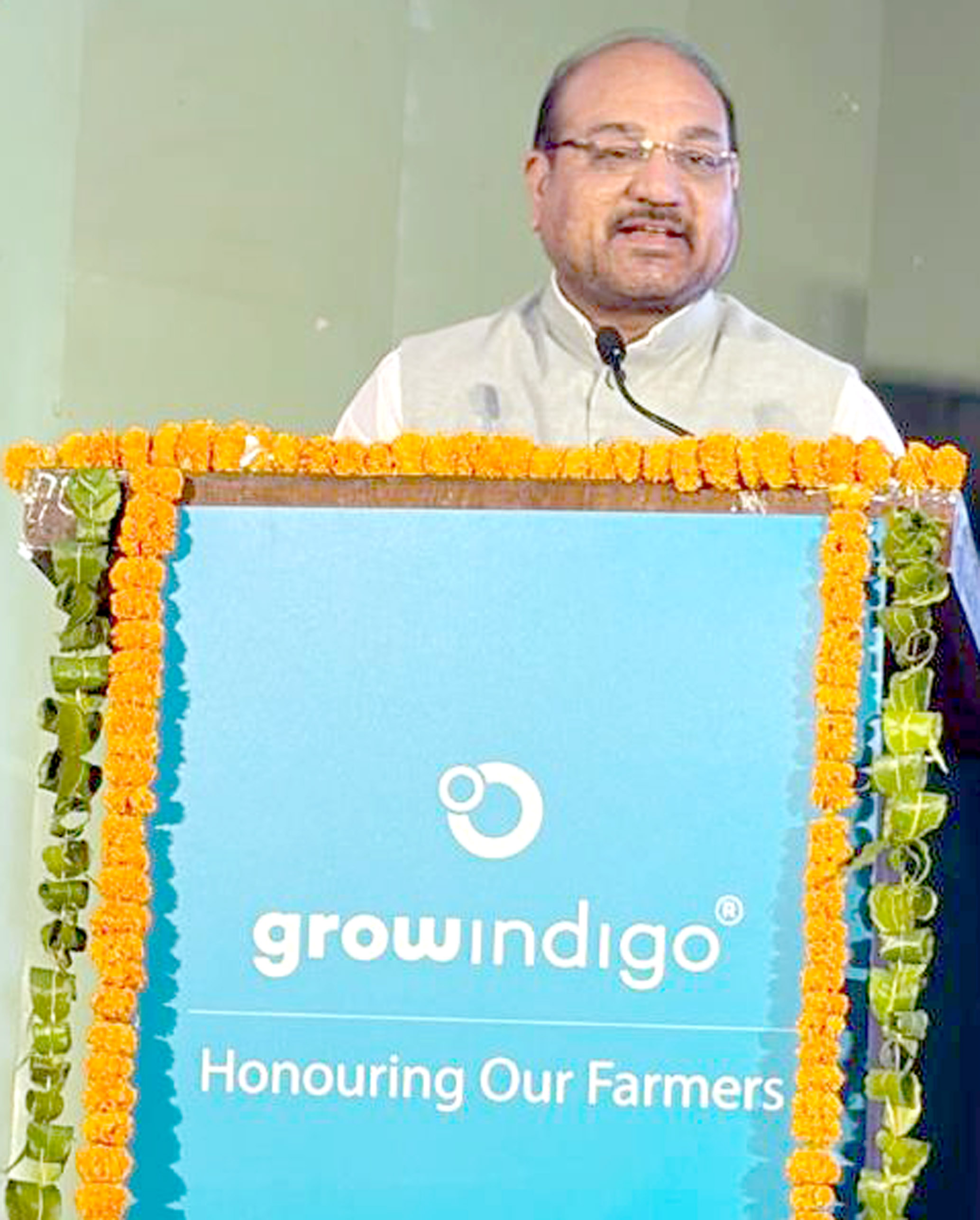 it payouts for adopting DSR and low-tillage residue management. The first issuance covered approximately 30,000 acres and generated more than 50,000 carbon credits, with participating farmers receiving payouts of around 3,000-15,000.
The development is particularly significant for Punjab, where coordinated efforts by ICAR, Krishi Vigyan Kendras (KVKs), agricultural universities, state departments and farming communities have contributed to a sharp decline in farm-fire incidents, from more than 83,000 in 2020 to fewer than 5,000 in 2025. This experience demonstrates the potential of an integrated approach combining technology adoption, improved residue management, soil-health improvement, water conservation and climate resilience.
The Memorandum of Understanding (MoU) signed between ICAR-ATARI, Ludhiana and Growindigo will further strengthen institutional collaboration in this area.
The initiative also aligns with India’s expanding international engagement on agroecology and regenerative agriculture. The BRICS New Delhi Declaration adopted in September 2026 welcomed strengthened agricultural cooperation through a Network of Centres of Excellence on Agroecology and Regenerative Agriculture for Climate Resilience and Productivity, providing a wider platform for sharing field-based innovations and experiences.
The emerging model places farmers at the centre of India’s transition towards low-emission and resource-efficient agriculture, with ICAR providing the scientific and extension backbone and carbon markets creating an avenue to recognise and potentially reward measurable environmental contributions. The Ludhiana programme marks an important step in demonstrating how climate action in agriculture can be linked with tangible economic opportunities at the farm level.