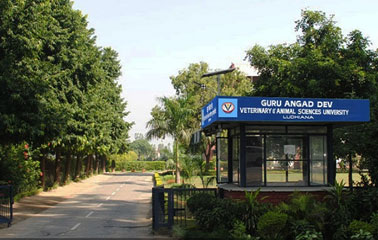

Guru Angad Dev Veterinary and Animal Sciences University, Ludhiana organized a two-week Poultry Farming Training Programme with enthusiastic participation from 33 trainees, including 30 men and 3 women from different districts of Punjab.
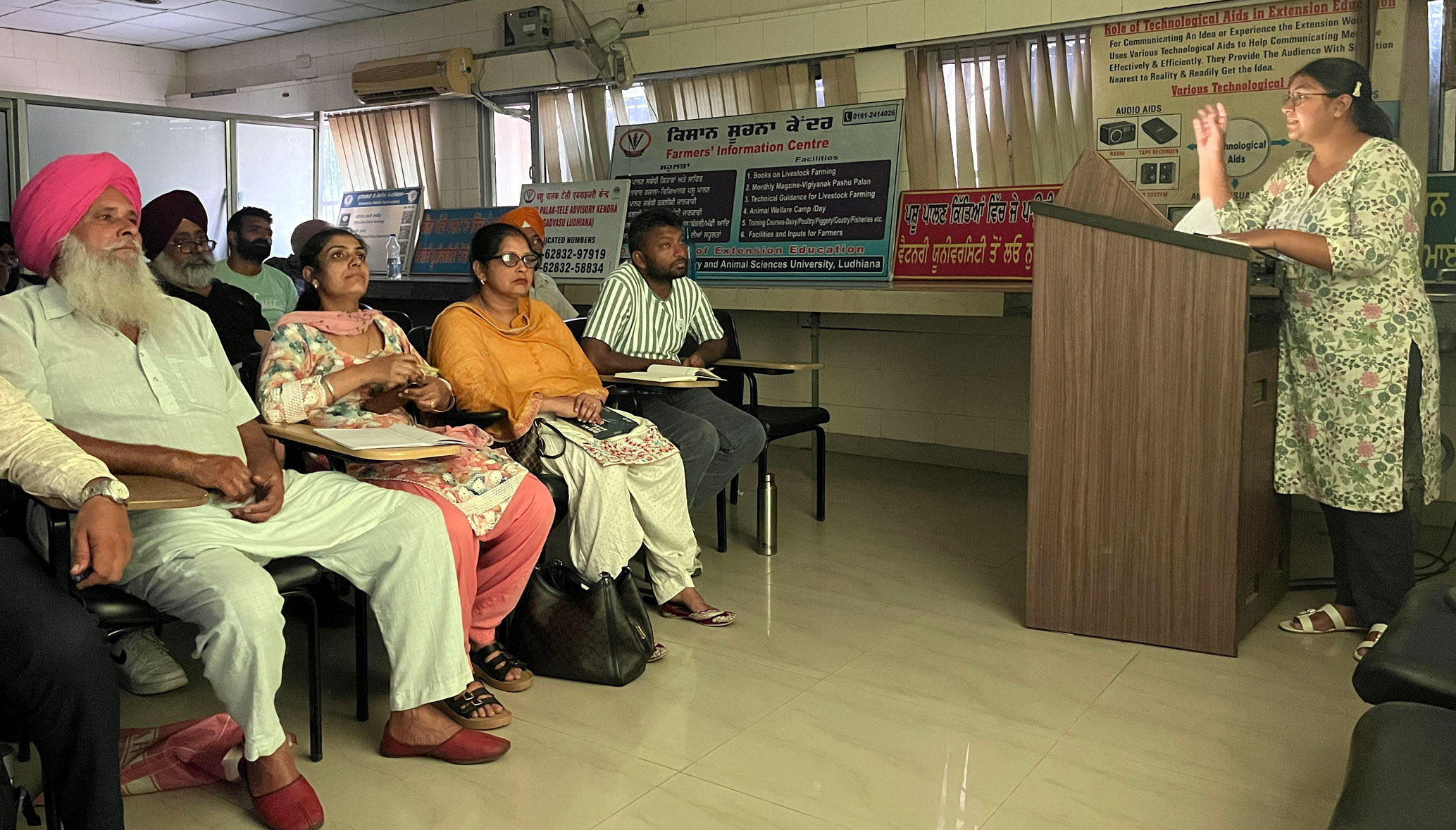 Dr. J.P.S. Gill, Vice-Chancellor appreciated the efforts of the Extension Education wing for organizing a comprehensive and practical training programme. He reiterated the university’s commitment towards empowering livestock farmers through scientific knowledge and skill-based training initiatives. He described poultry farming as a profitable venture with strong potential for self-employment, entrepreneurship and income enhancement in rural areas.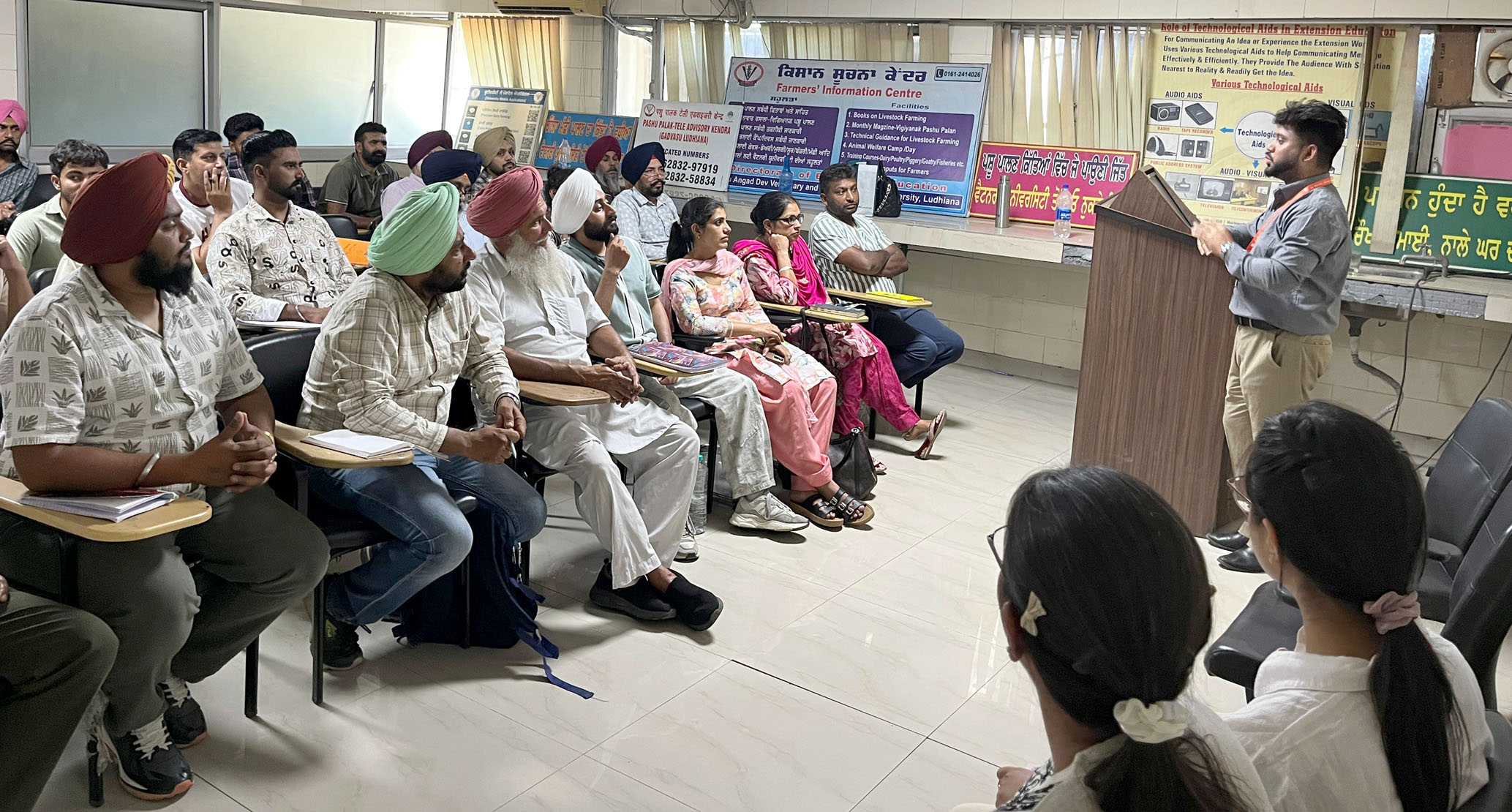
Dr. R.S. Grewal, Director of Extension Education emphasized the importance of livestock enterprises in strengthening rural livelihoods and highlighted poultry farming as a key driver for economic upliftment, particularly among rural youth.
Dr. Jaswinder Singh, HoD, Veterinary Extension Education and Course Director, stated that the training programme combined classroom teaching with practical exposure. The curriculum covered scientific poultry housing, feeding management, disease prevention, biosecurity measures, zoonotic diseases and poultry marketing strategies aimed at improving farm profitability.
The programme also featured an e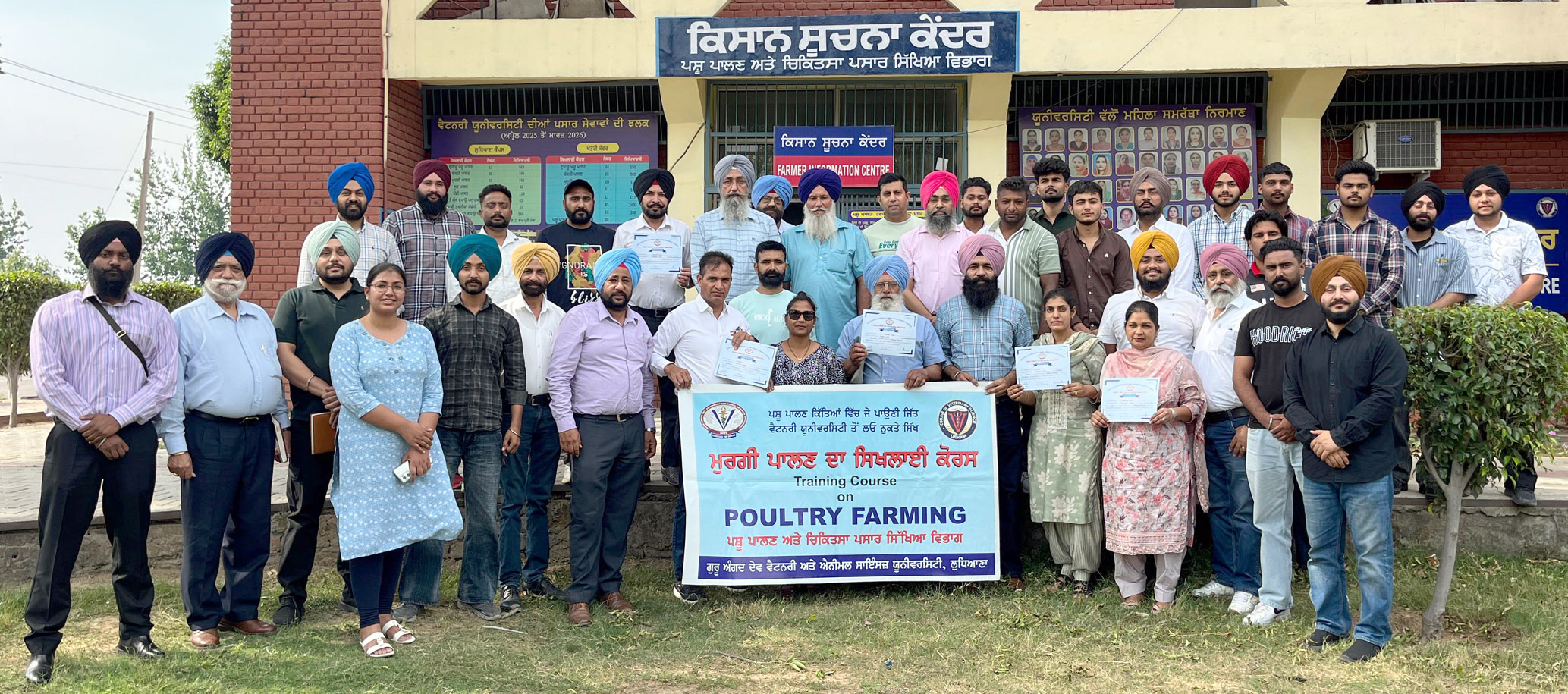 xpert lecture by Dr. Harpal Singh Sodi, Assistant General Manager, Venky’s India Ltd., who shared industry-oriented insights on modern commercial poultry production and emerging opportunities in the sector. Sh. Bishap Pratap Singh, senior manager, Bank of Baroda delivered a lecture on banking facilities and financial support available for livestock and poultry farming enterprises.
The training programme was coordinated by Dr. Ravdeep Singh and Dr. Parteek Singh, with support from student coordinator Dr. Gaganpreet Kaur. Participants appreciated the practical demonstrations and field-based learning experiences that enhanced their confidence to establish poultry farming enterprises.
Guru Angad Dev Veterinary and Animal Sciences University, Ludhiana, has received a Research Project worth 12 lakh from the Punjab State Council for Science & Technology and NSI for the development of Smart Fodder (Paddy Straw-Based), Advancing Circular Economy through Waste Reduction and New Revenue Streams
Dr. J.P.S. Gill, Vice-Chancellor, congratulated the research team and stated that the project aligns with the universitys commitment towards sustainable agriculture, environmental protection, and livestock development. He emphasized that scientific utilization of crop residues can play an important role in addressing the issue of stubble burning while creating additional income opportunities for farmers.
Dr. Jujhar Singh Sidhu, Principal Investigator, said that the project aims to convert paddy straw into nutritious and safe livestock feed using innovative scientific treatments, helping reduce agricultural waste, aflatoxin contamination and environmental pollution while promoting efficient and eco-friendly livestock farming.
Dr. S.S. Randhawa, Director of Research, appreciated the efforts of the Department of Animal Nutrition and highlighted that the project would strengthen translational and field-oriented research in livestock production systems.
Dr. J.S. Hundal, HoD, Animal Nutrition, stated that the project would help develop commercially viable technologies for utilizing locally available crop residues and promote circular economy approaches in Punjab agriculture. Dr. R.S. Sethi, Director, Veterinary and Livestock Innovation and Incubation Foundation (VLIIF), said that such innovative projects have significant potential for technology commercialization, entrepreneurship development, and farmer-level adoption. The project will be completed over a period of one year and is expected to generate sustainable feeding technologies for livestock farmers while addressing environmental concerns associated with paddy straw disposal.
The Centre for One Health at Guru Angad Dev Veterinary and Animal Sciences University organized an interactiv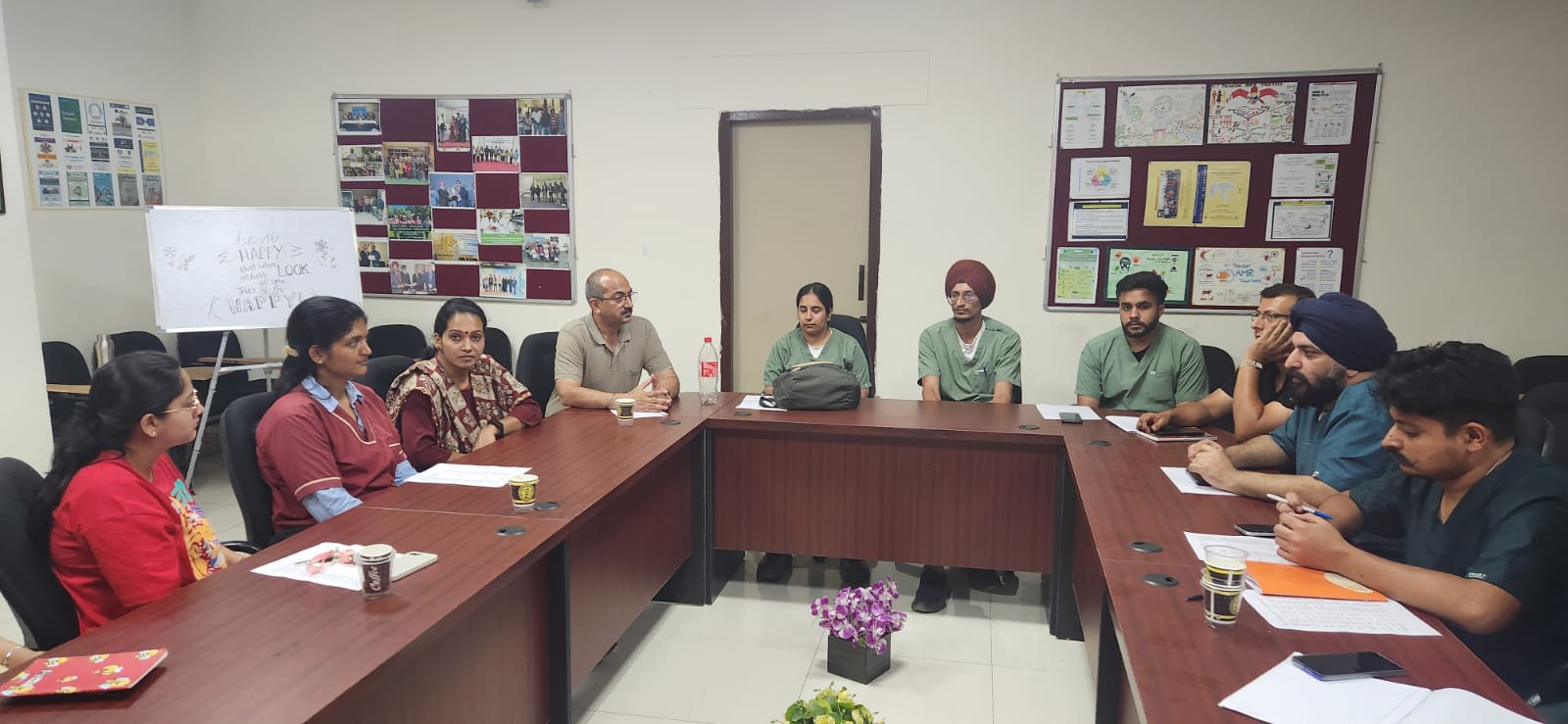 e workshop on “Clinical Biosecurity and Infection Prevention Practices in Veterinary Hospitals” for postgraduate students of the Departments of Veterinary Medicine, Veterinary Surgery and Radiology, and Veterinary Gynaecology and Obstetrics. The workshop aimed to strengthen awareness regarding infection prevention and control practices in veterinary clinical settings and promote a culture of
 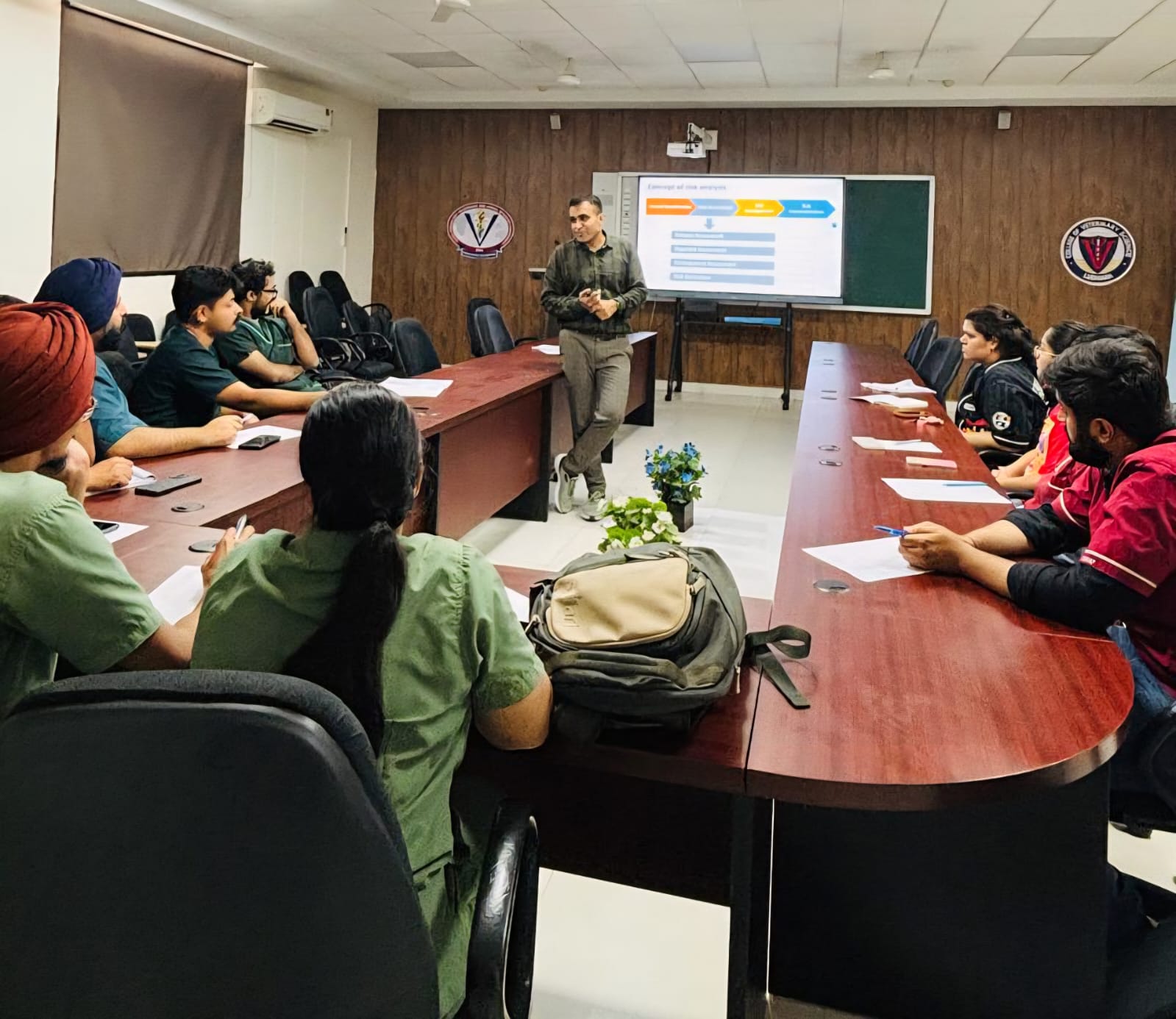 responsible clinical biosecurity among future professionals.
Dr. J.P.S. Gill, Vice-Chancellor, appreciated the efforts of the Centre for One Health in organizing such practical and capacity-building academic activities and encouraged continued initiatives focusing on One Health and infection prevention practices in veterinary healthcare settings.
Dr. Randhir Singh highlighted the importance of clinical biosecurity in preventing healthcare-associated infections and limiting the spread of antimicrobial resistant pathogens in veterinary hospitals. Dr. Pankaj Dhaka organized a hands-on interactive session outlining the fundamental framework of clinical biosecurity, practical risk assessment methods, and the integration of Hazard Analysis and Critical Control Point (HACCP) principles into veterinary clinical practices. The session also focused on identifying high-risk areas and improving compliance with infection prevention measures in hospital settings. Dr. Deepthi Vijay delivered a session on the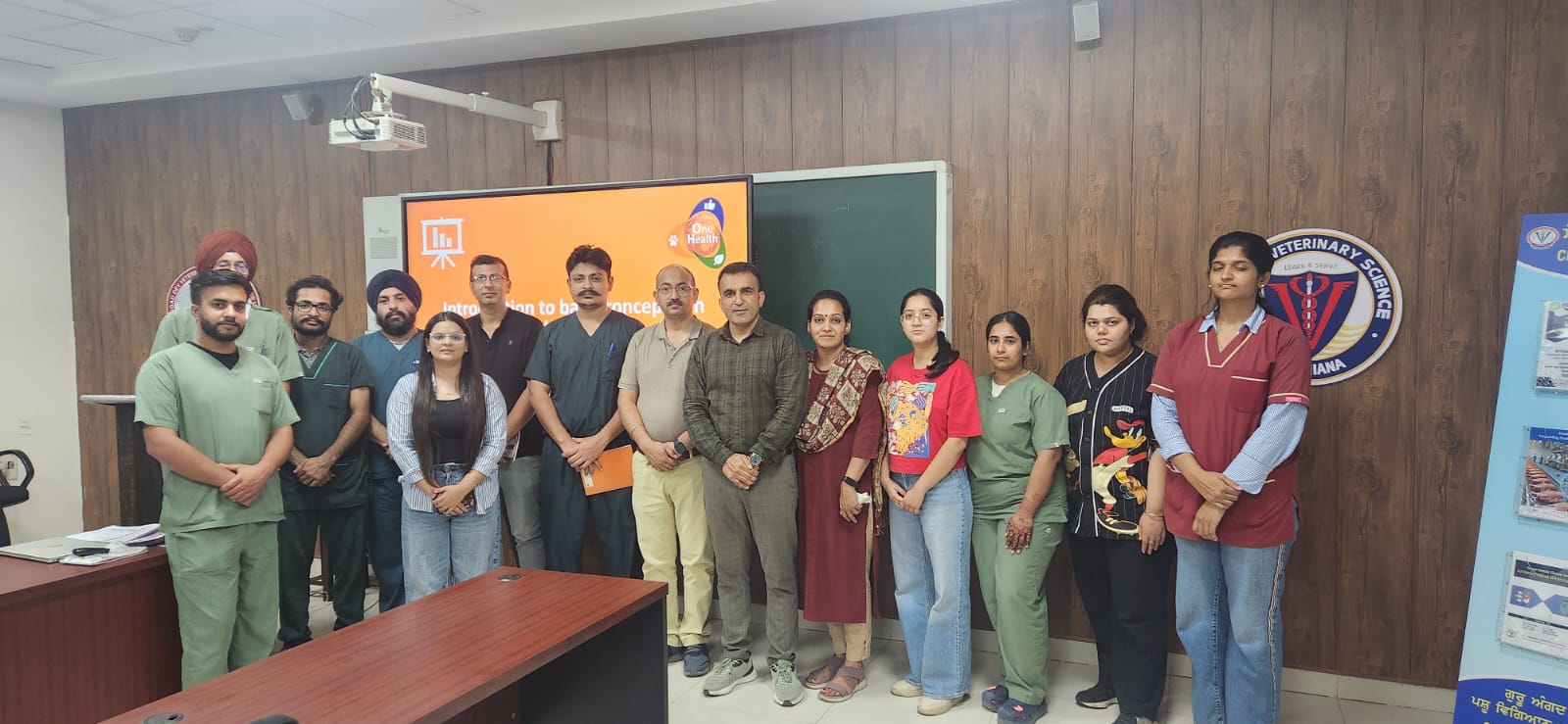 role of proper cleaning and disinfection practices in veterinary hospitals, highlighting the importance of disinfectant selection, cleaning workflows, and prevention of cross-contamination in clinical environments.
Dr. Jasbir Singh Bedi, Director, Centre for One Health, appreciated the enthusiastic participation of postgraduate students and emphasized the need for strengthening clinical biosecurity awareness among veterinary professionals. Dr. Bedi emphasized that clinical biosecurity practices are critical for safeguarding animal health, veterinary professionals, students and the larger community under the One Health framework.
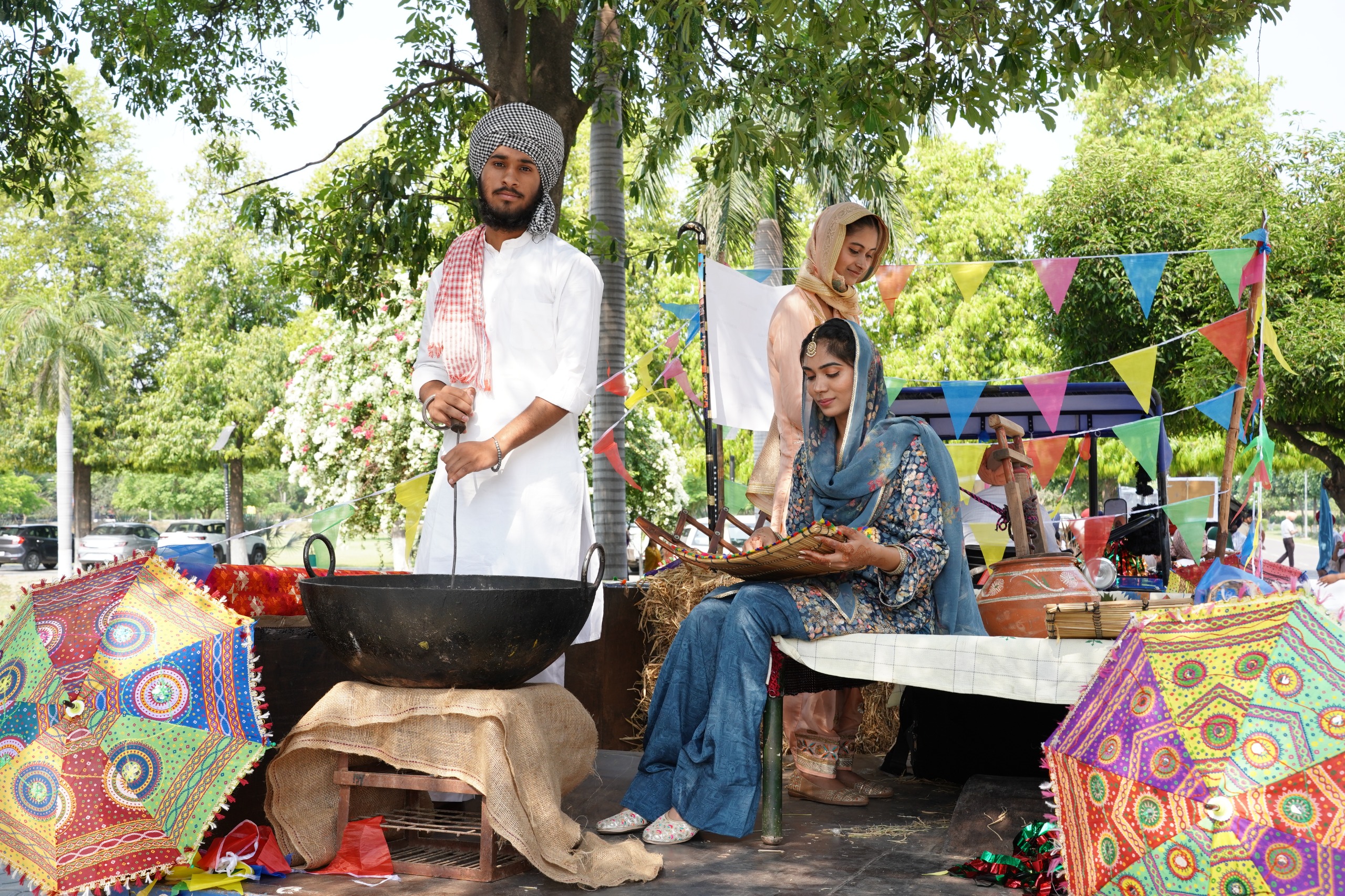
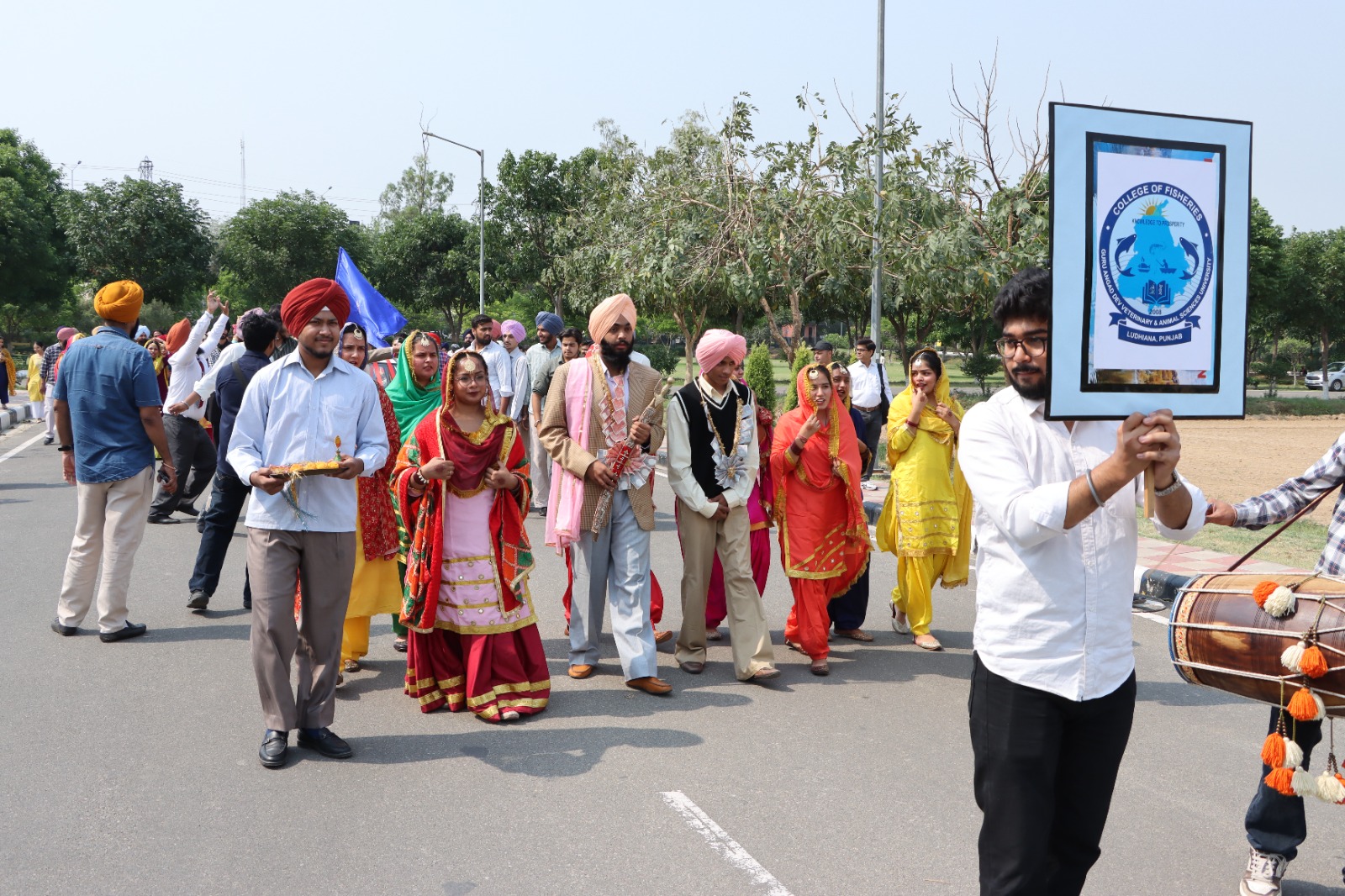
A vibrant Virasat Mela (Heritage Festival) celebrating the rich cultural legacy of Punjab was organized at Guru Angad Dev 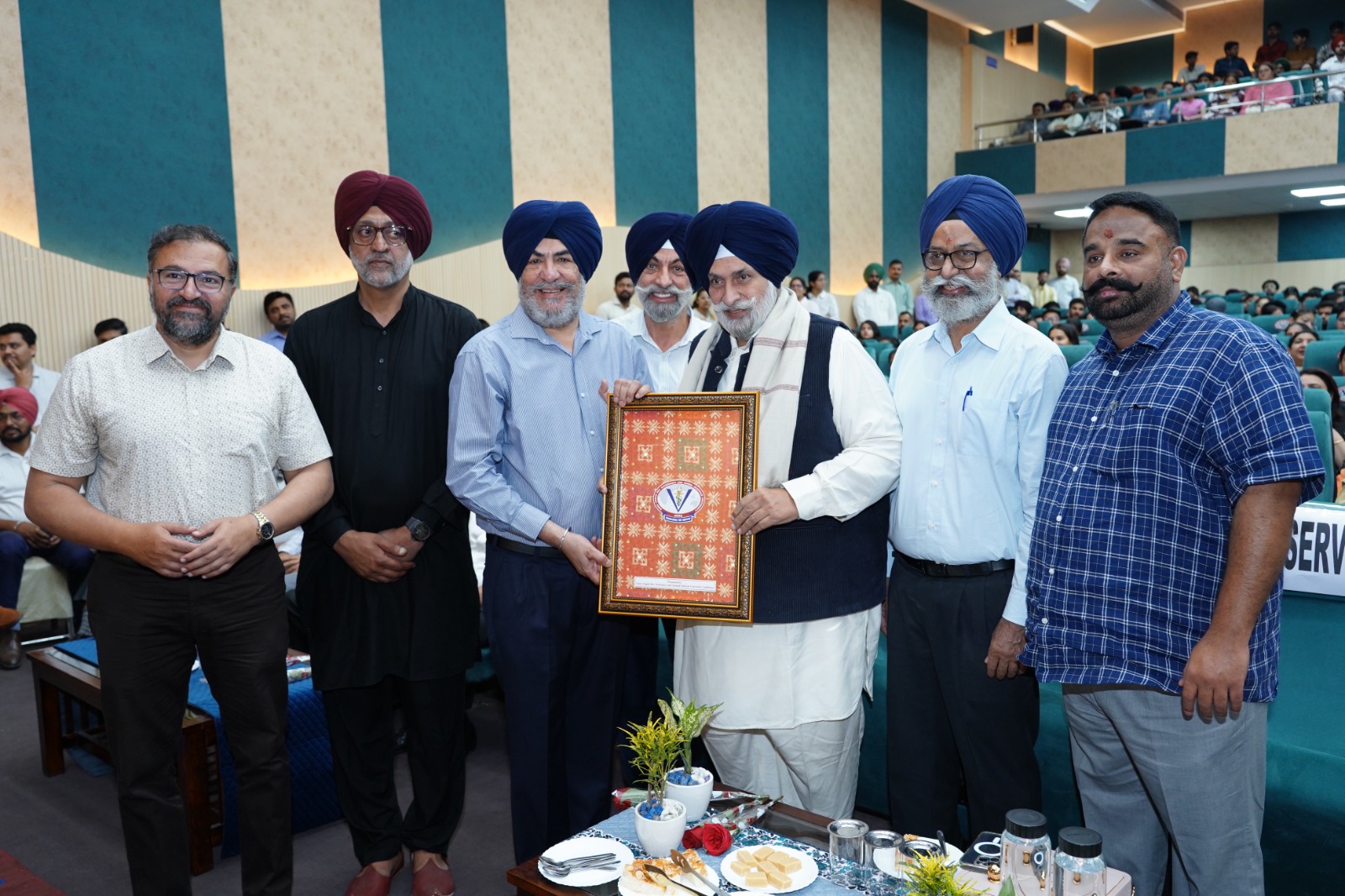 Veterinary and Animal Sciences University, Ludhiana. Dr. SPS Ghuman,
 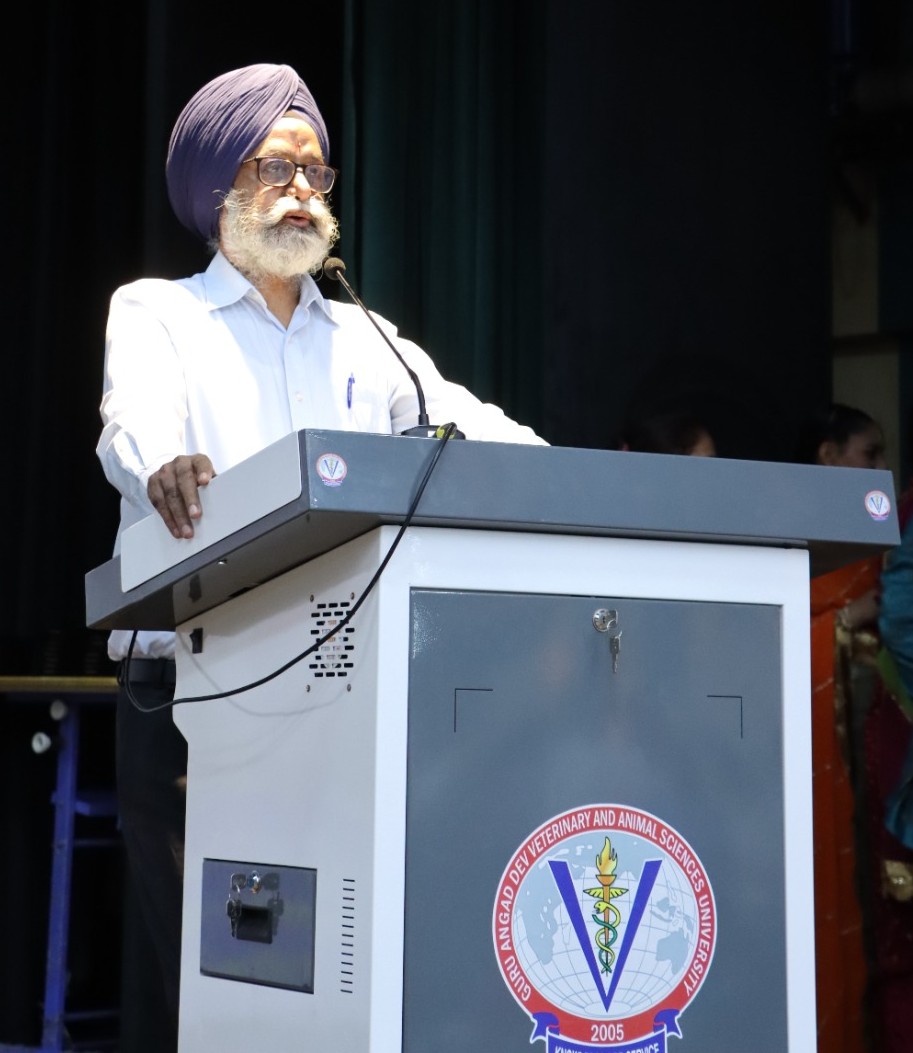 Organizing Secretary said that the event aimed to reconnect students with traditional Punjabi values, attire, music, and lifestyle while providing an engaging platform for showcasing cultural talent.
The festival was inaugurated by Dr GS Wander, Principal, Dayanand Medical College and Hospital, who appreciated the initiative to preserve and promote Punjab heritage among the younger generation.
Dr JPS Gill, Vice Chancellor emphasized that such events play a significant role in strengthening cultural identity and encouraging students to remain connected with their roots. He said we will make it a permanent feature so that we can keep maximum youth connected with this thought.
S. Gurbhajan Gill, the eminent poet, also called this event an auspicious 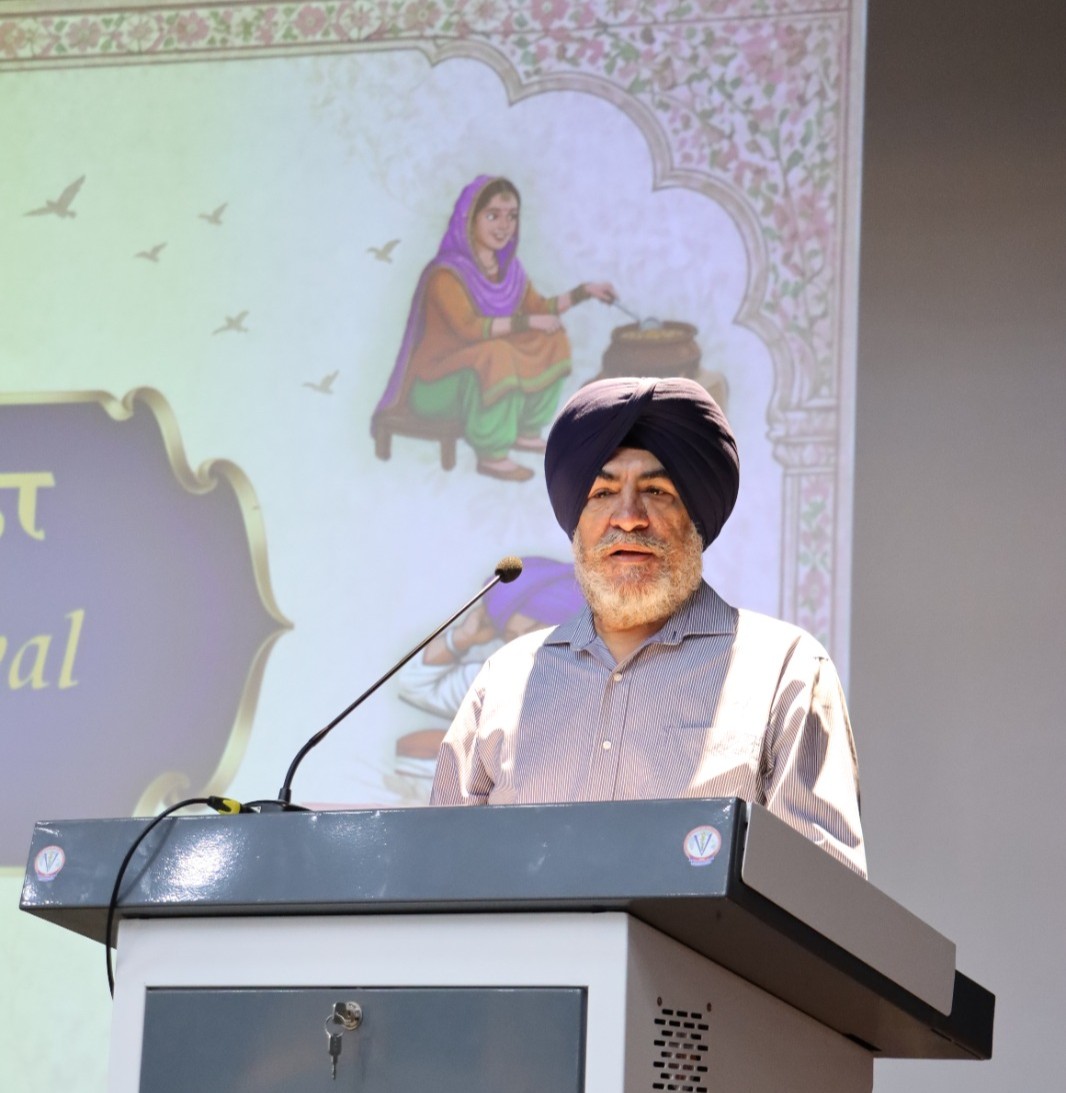 omen and expressed that while we get a complete glimpse of our culture through this we also feel proud that our youth and our future Generation Still love these values with great heart
S. Jasdev Singh Sekhon, Assistant 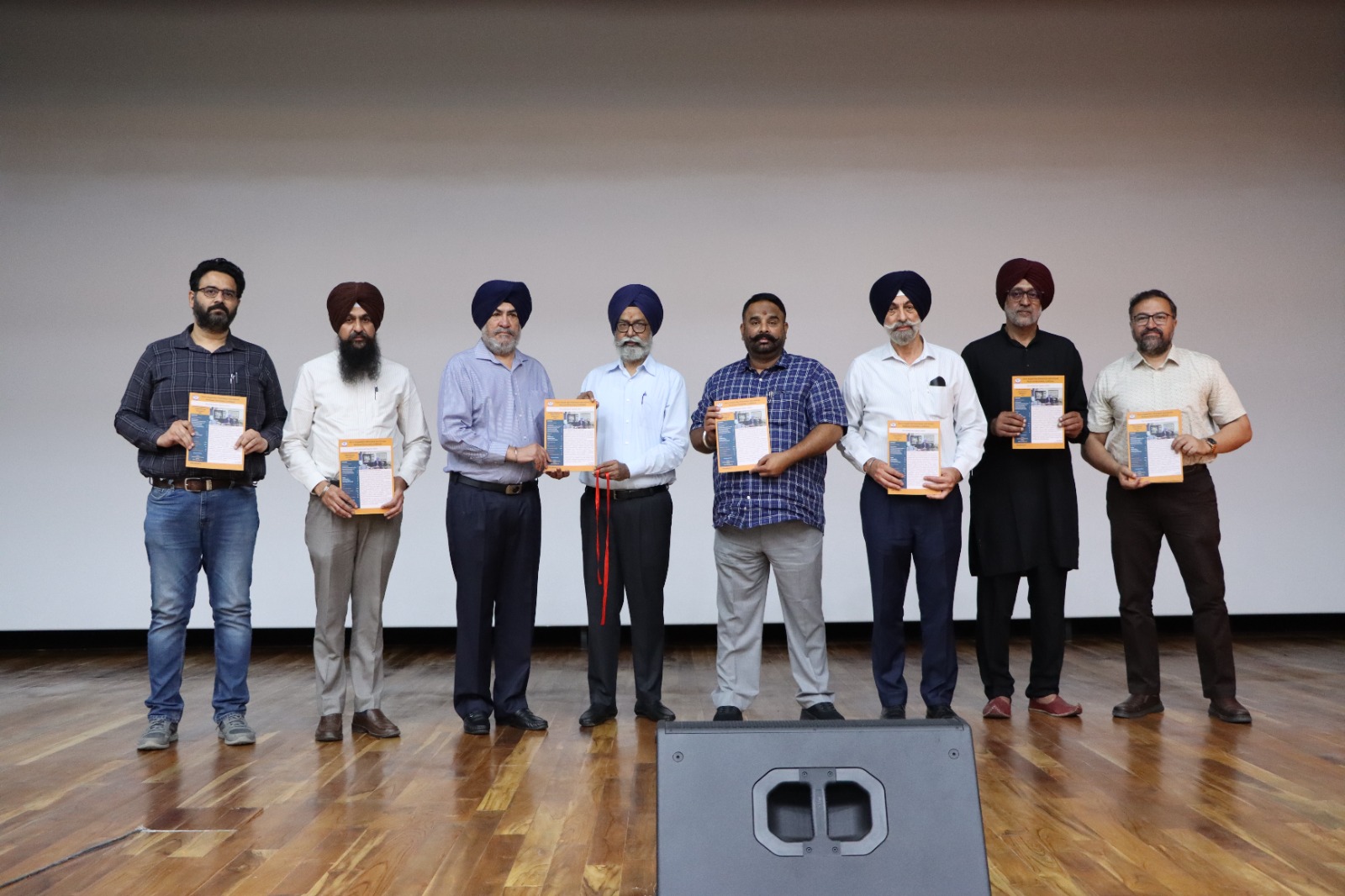 Commissioner, MCL appreciated this initiative and said that such a festival should be organized by all the institutions of Ludhiana together. He said that with this, our youngsters will know about our heritage and at the same time we will remain connected with our roots. S. Jasmer Singh Dhatt, Chairman, Sabhyachark Sathh Punjab and different renowned personalities also graced the occasion. Different publications and magazine Yuv Samvedna was also released in the function.
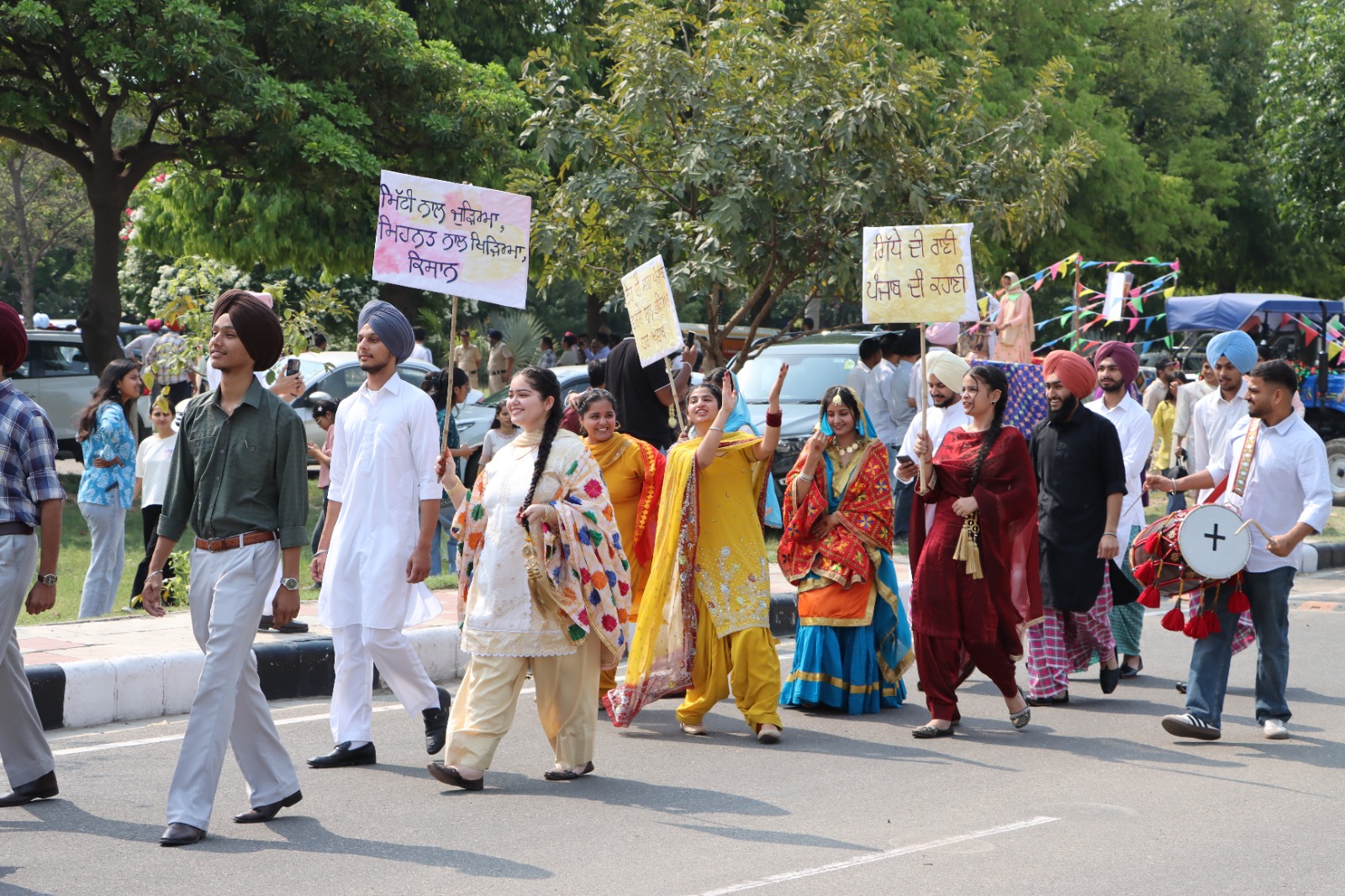
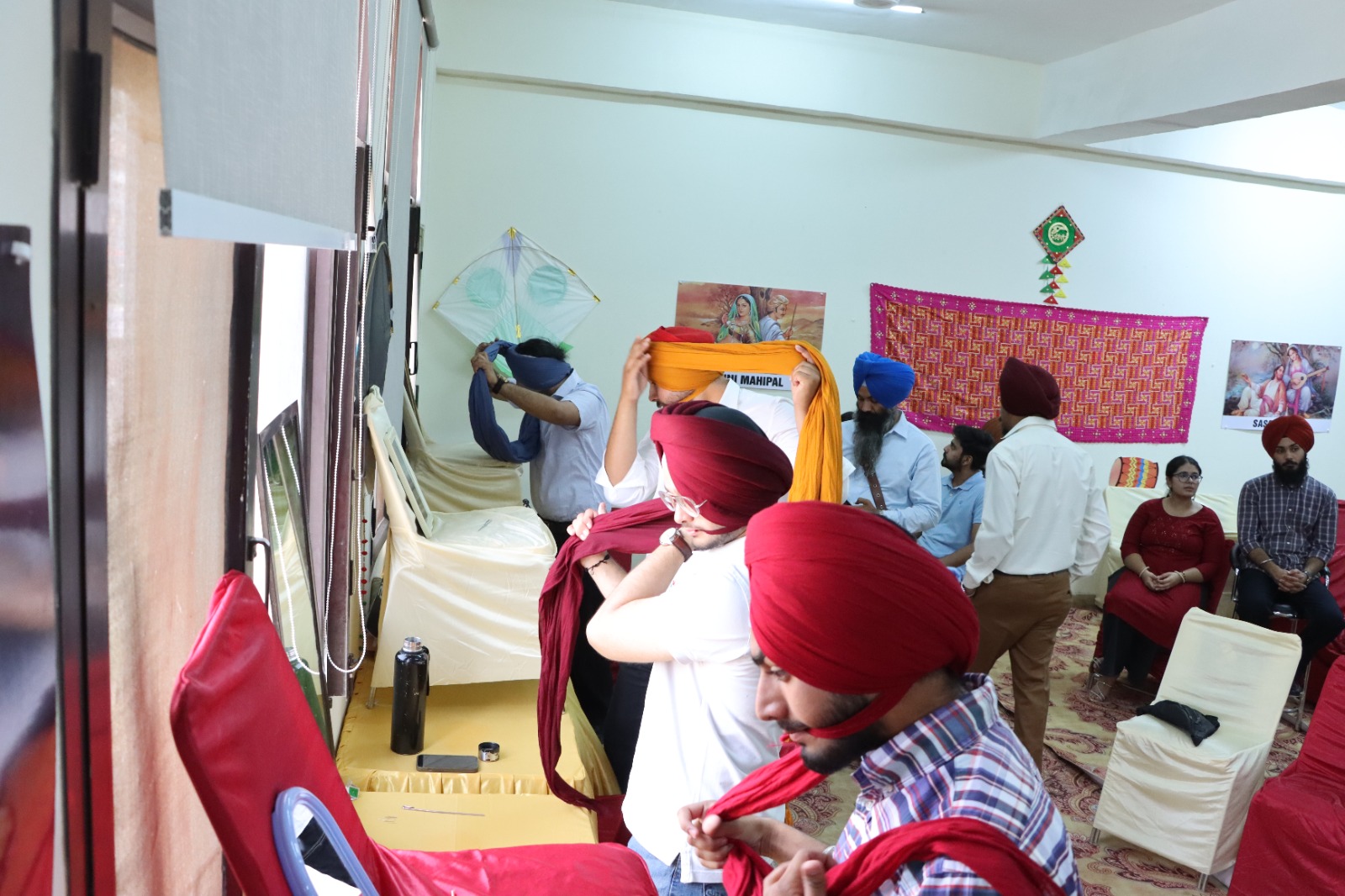
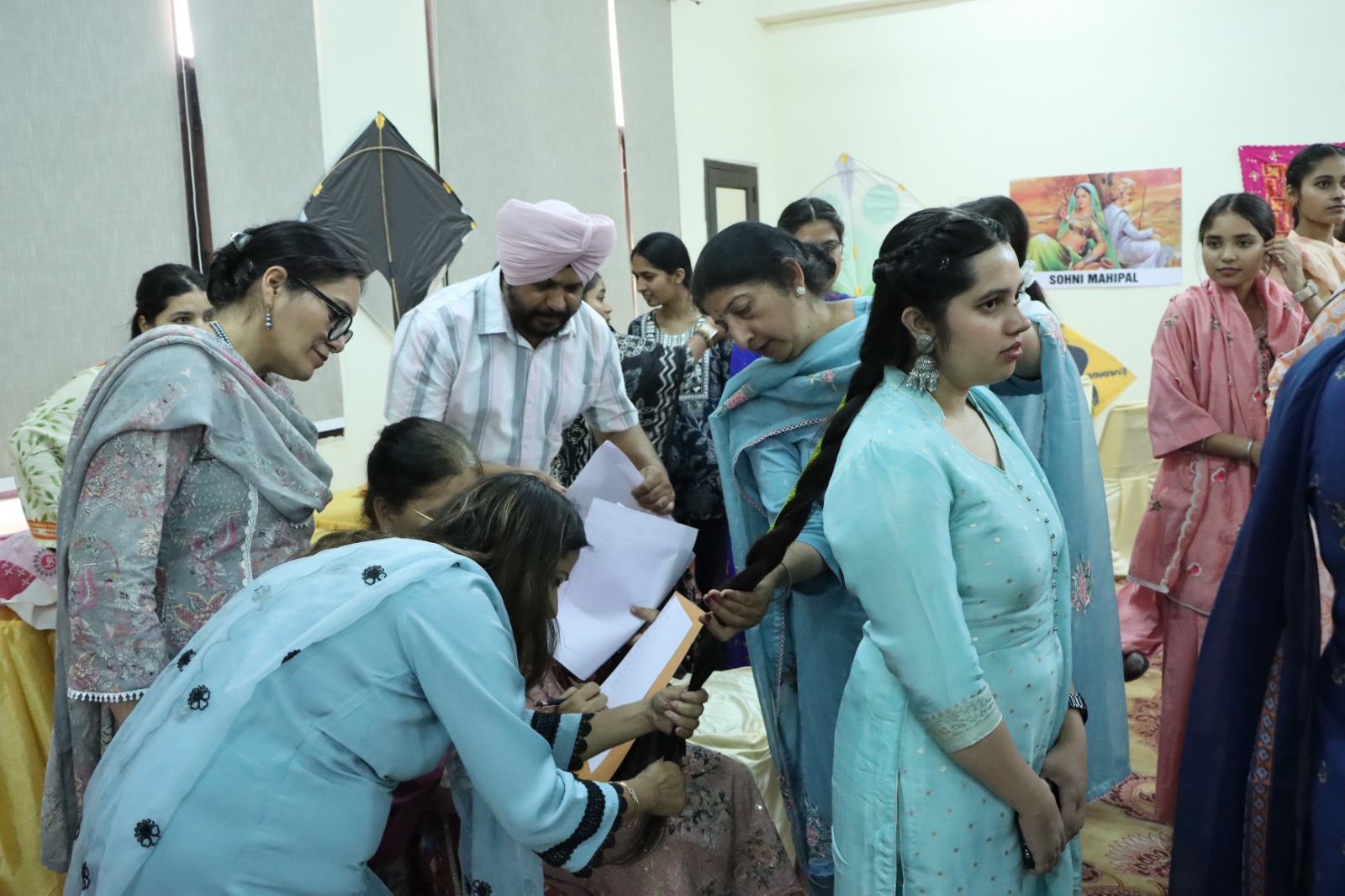
Festival started with cultural procession which showcased different traditional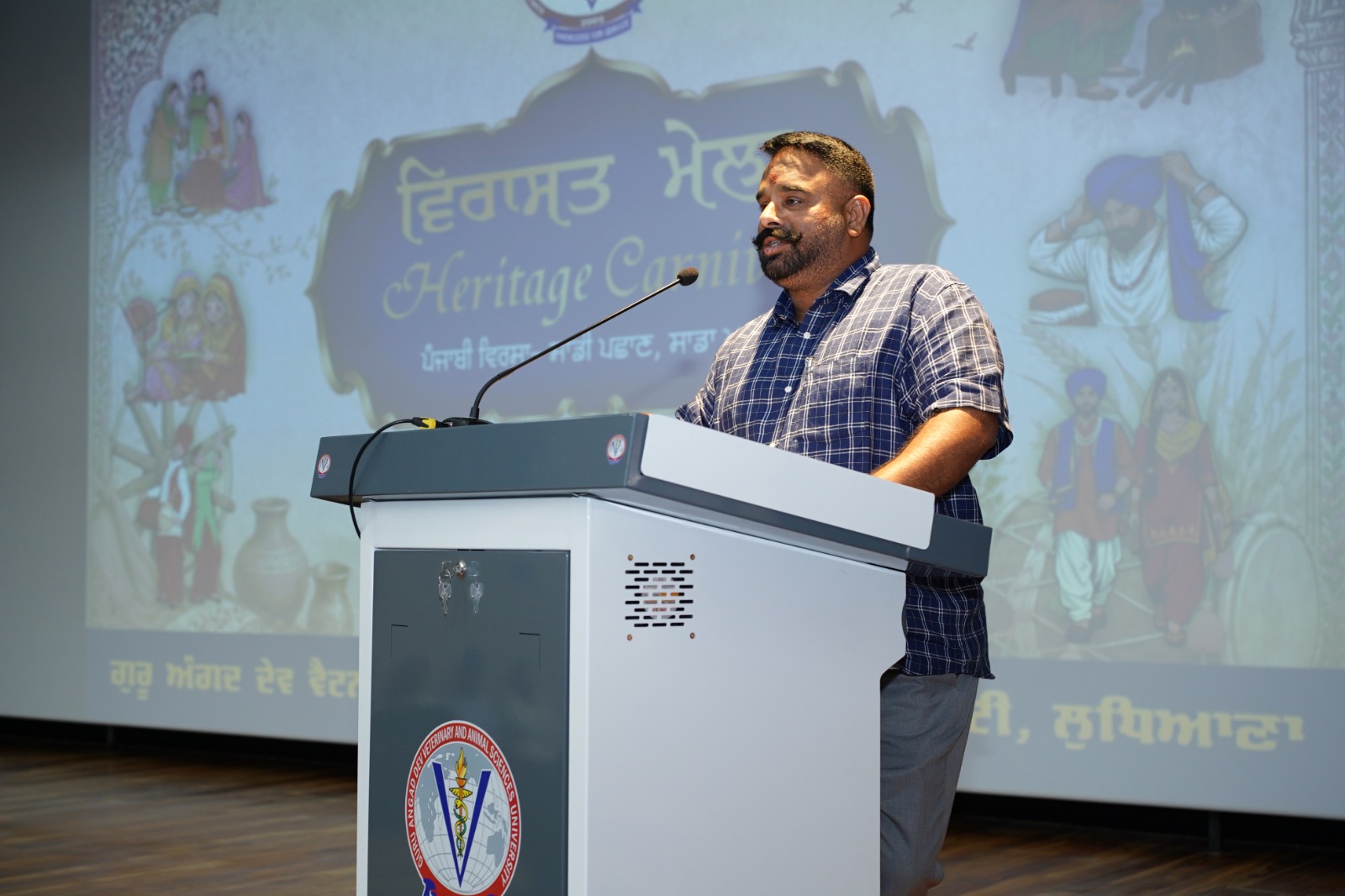 glimpses of Punjab. A series of competitions and exhibitions formed the highlight of the festival. Students enthusiastically participated in th
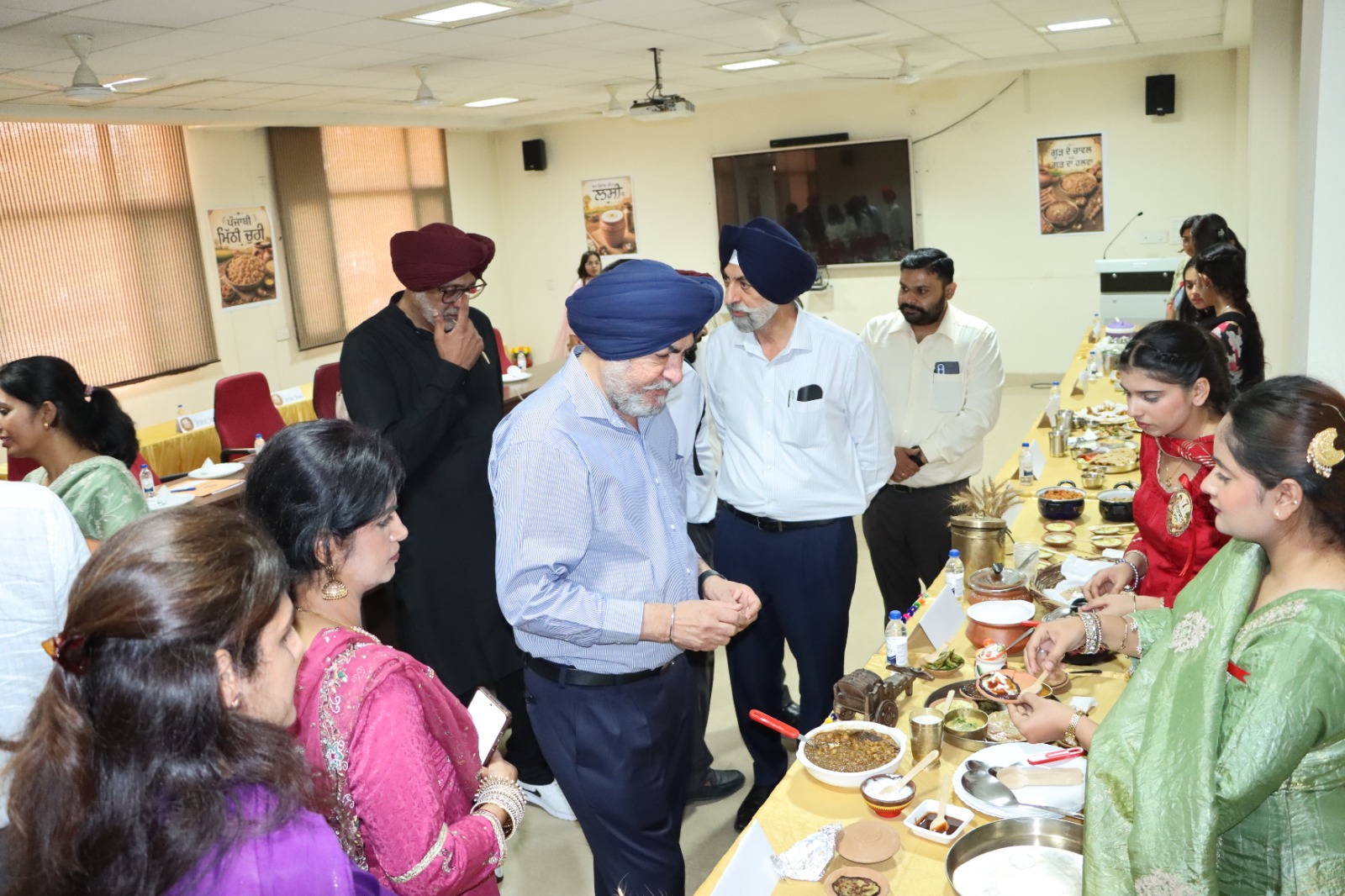
 e competitions of traditional Punjabi attire, recipes, calligraphy, turban tying and quiz. All the competitions were based on the heritage of Punjab.
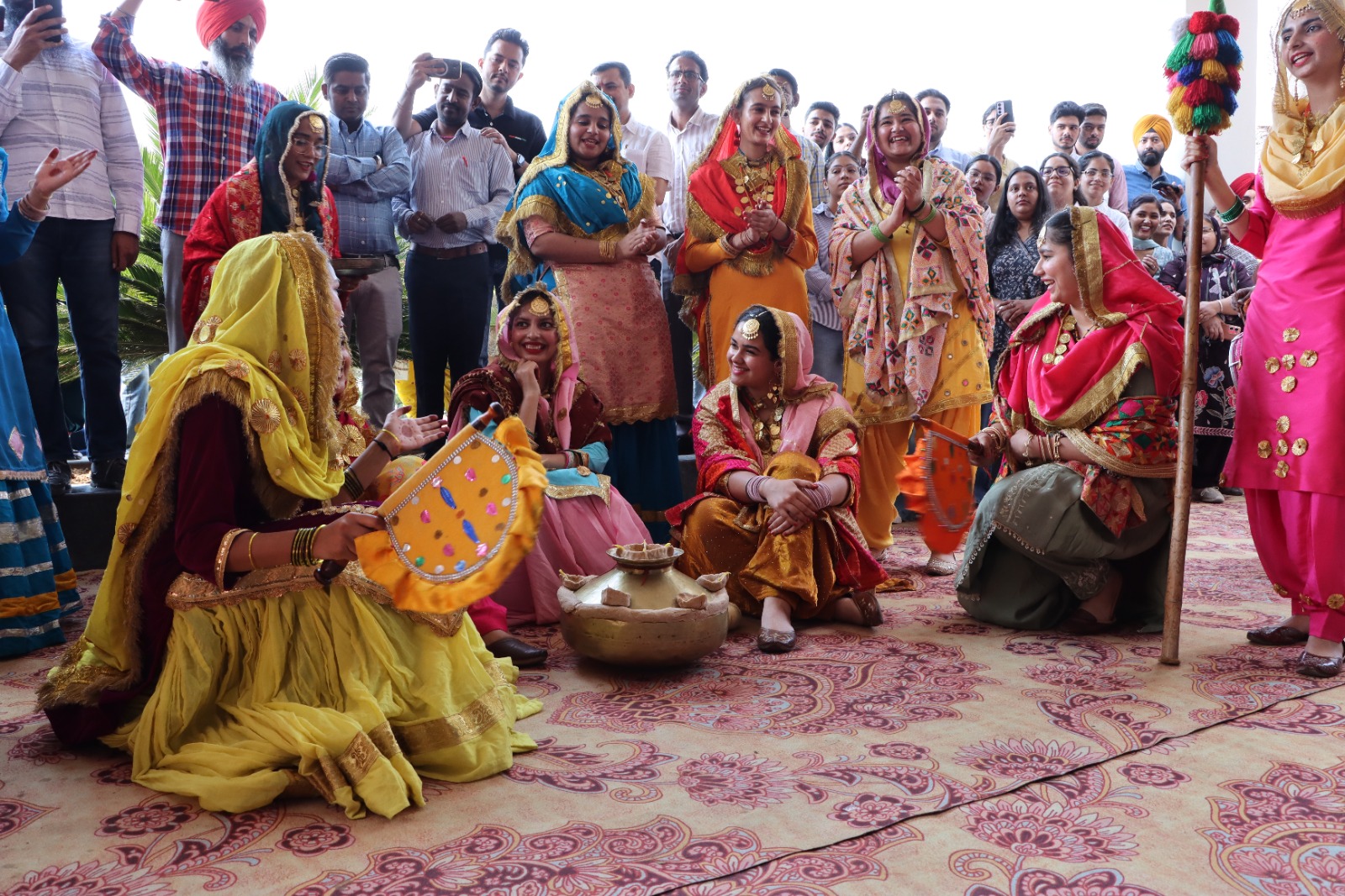
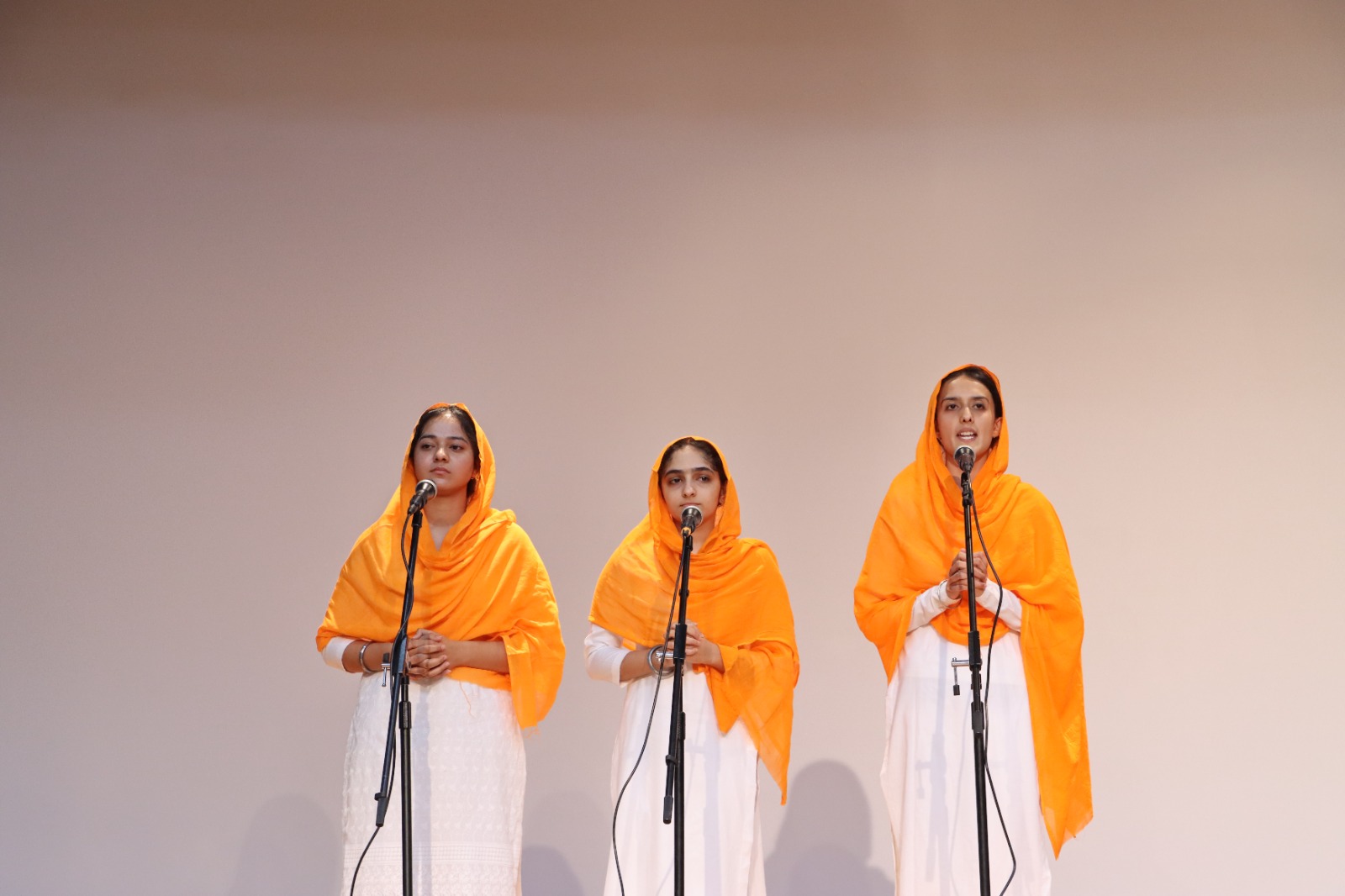
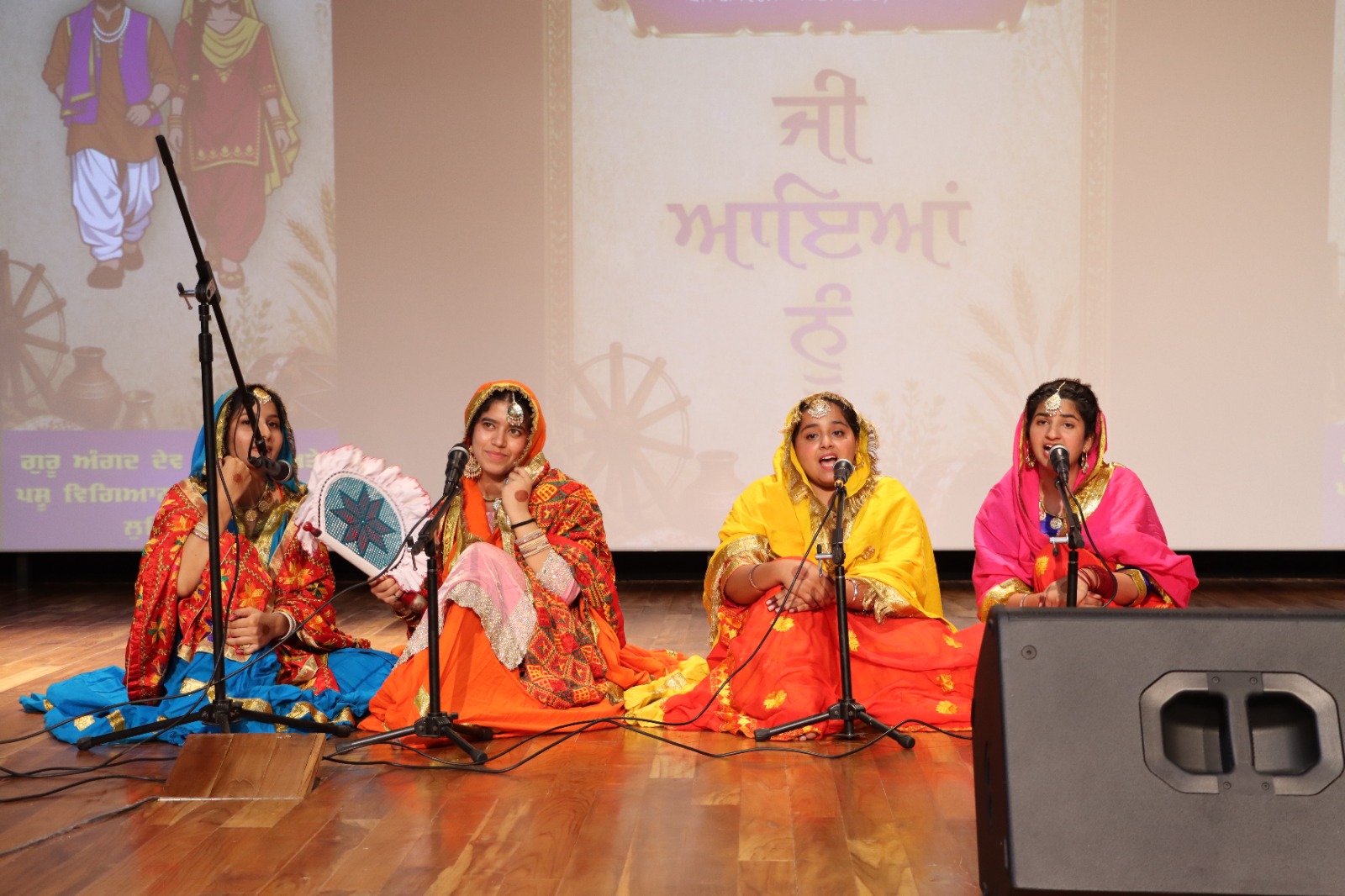
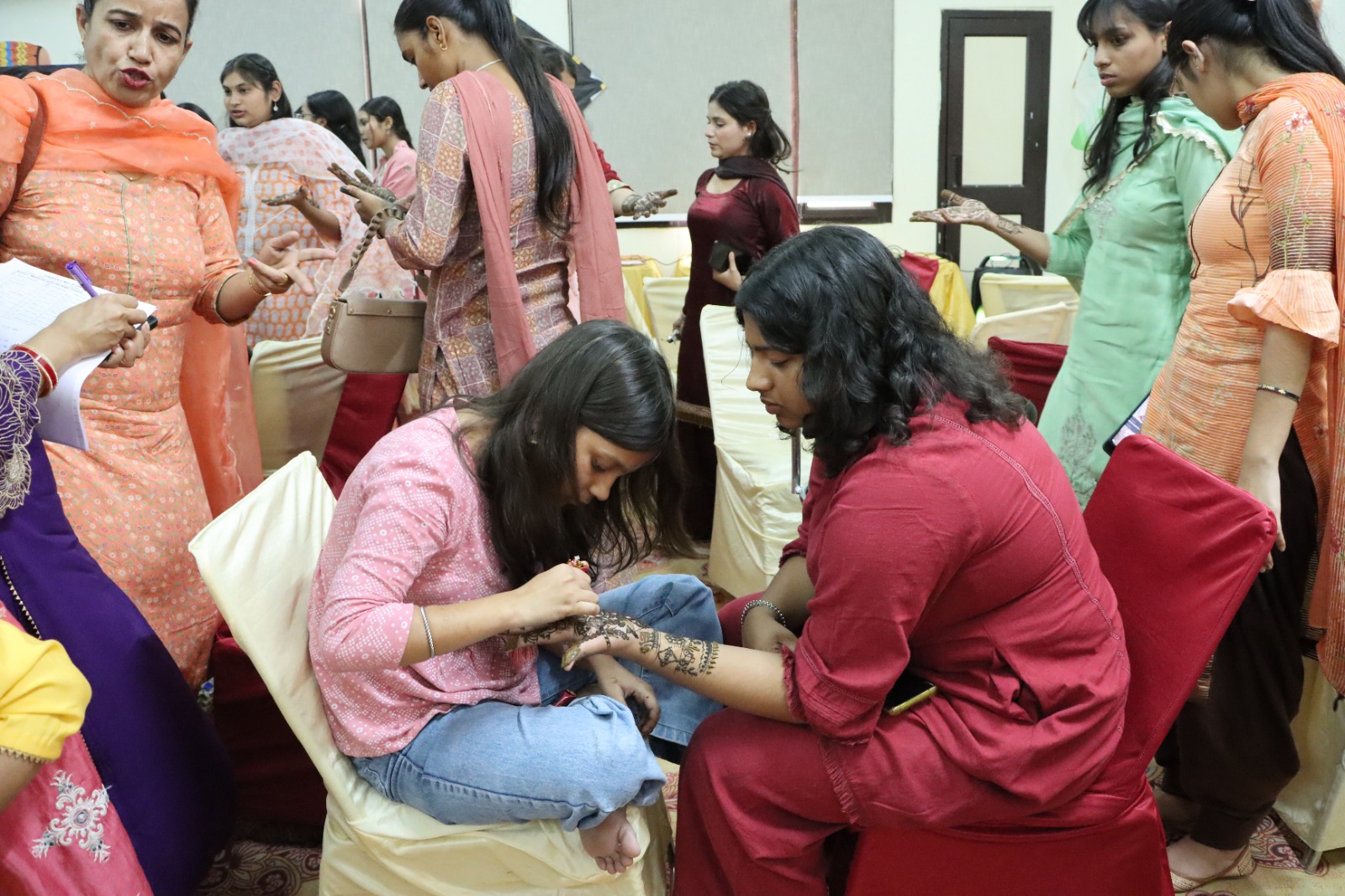
The campus came alive with performances of traditional folk forms including Lammi haek wale geet, Jindua, poetry, Kavishri, mehndi, lammi gutt and bhand performance, which captivated the audience and reflected the vibrancy of Punjabi folk culture.
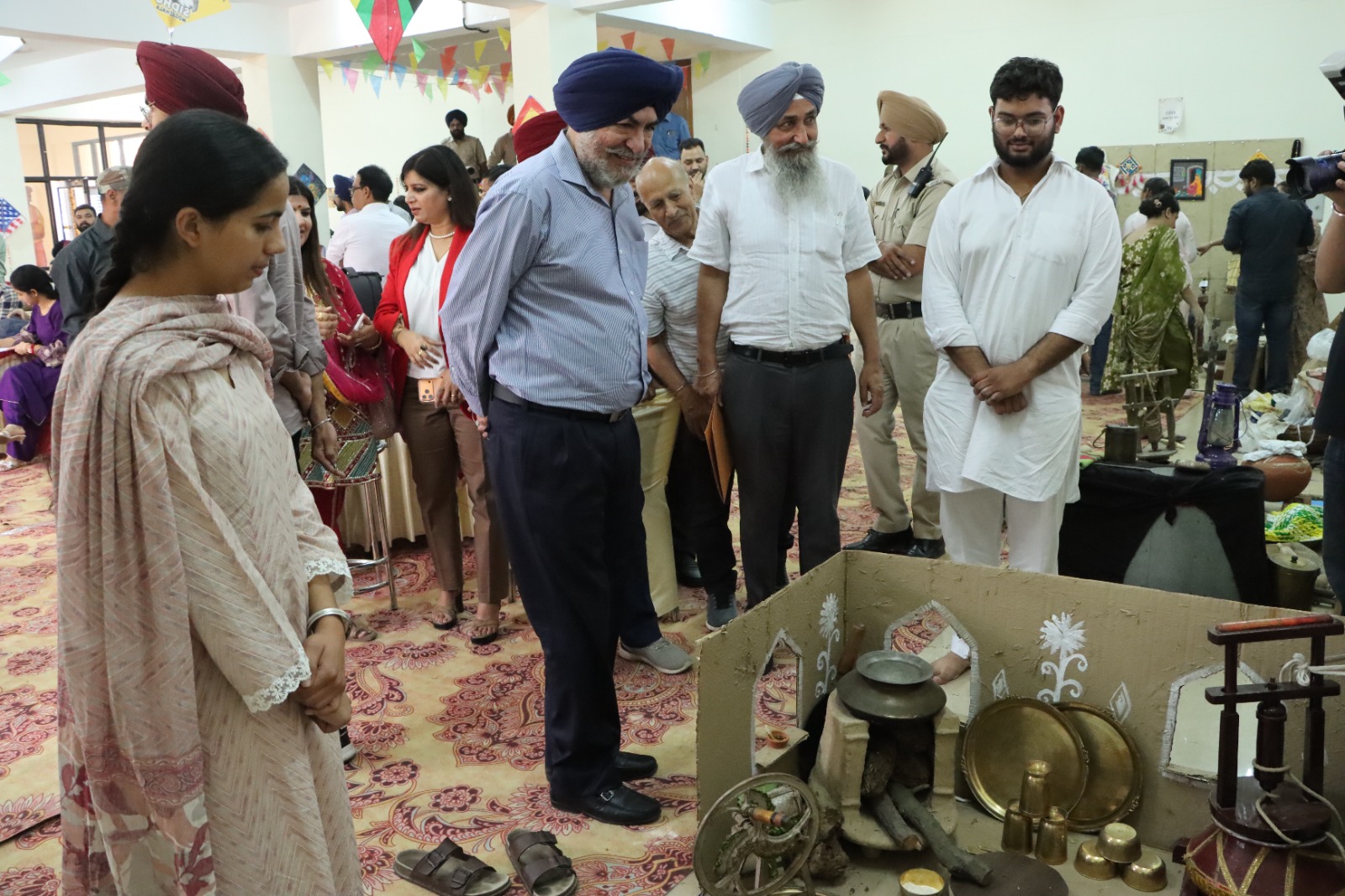
 Alongside the competitions, an exhibition of traditional household utensils and heritage items were displayed. The exhibition featured a wide range of vintage objects such as chulhas, brass utensils, wooden tools, and other artifacts that illustrated the lifestyle of rural Punjab in earlier times.
Students and faculty members visited the exhibition stalls and appreciated the efforts made to collect and present the traditional items. The festival created a lively atmosphere filled with music, colors, and cultural pride. Participants expressed that the event not only provided entertainment but also helped them understand and value their heritage.
Dr RS Aulakh, Director Students Welfare informed that the heritage festival concluded with prize distribution to winners of various competitions, leaving behind a strong message of preserving Punjabi culture and traditions for future generations.
A group of 122 e.jpeg) nthusiasts from 5 districts
nthusiasts from 5 districts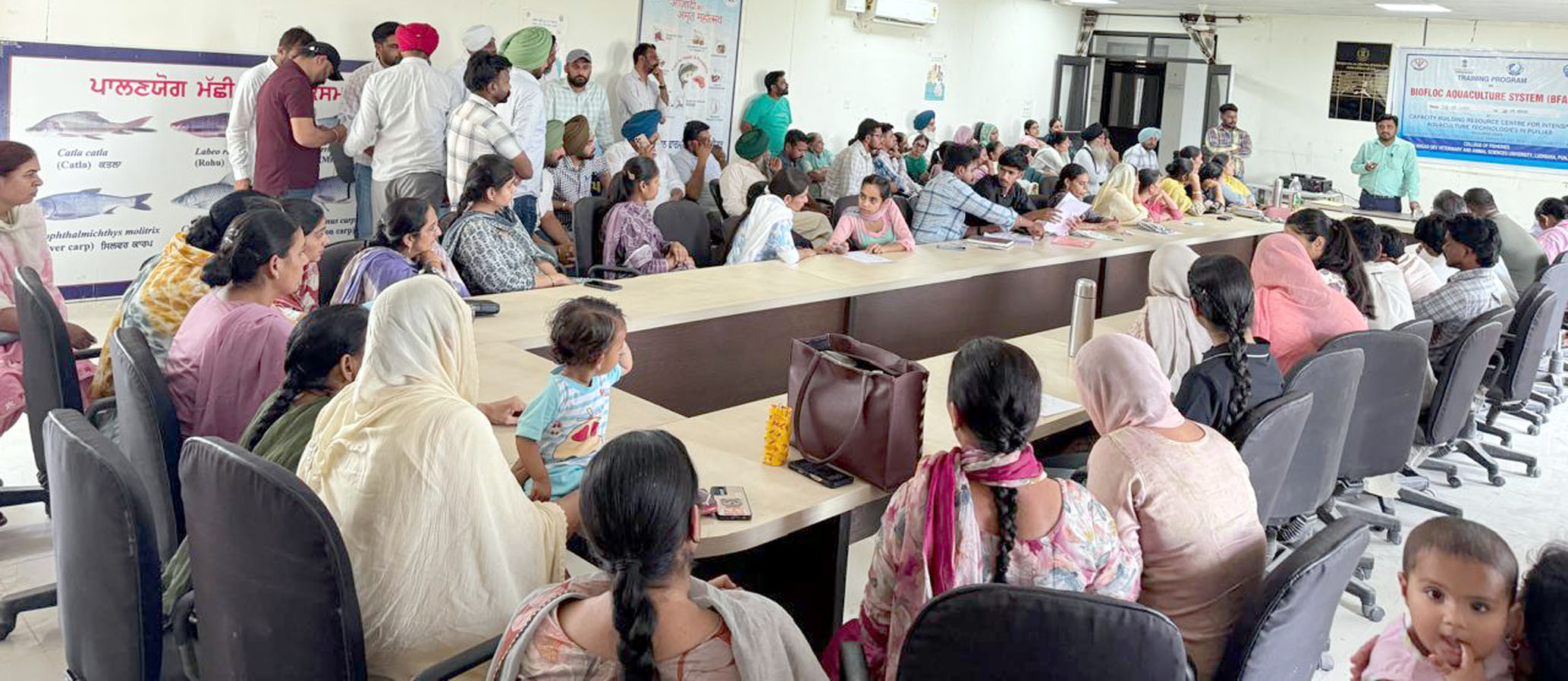 of Punjab, including 70 rural women, flocked to College of Fisheries (COF), Guru Angad Dev Veterinary and Animal Sciences University for 3 days of capacity building program in Biofloc based Aquaculture (BFAQ). The BFAQ training program was tailored to apprise the beginners with basics of Biofloc Aquaculture Technology and equip them with the required technical expertise for establishing indoor and outdoor biofloc aquaculture systems successfully. Pradhan Mantri Matsya Sampada Yojana (PMMSY) of Department of Fisheries (DOF), Government of India is promoting BFAQ through State DOFs. It is a water efficient technology requiring only 10-15% of water per kg fish production as compared to traditional aquaculture practices. The Capacity Building Resource Center (CBRC) for Intensive Aquaculture Technologies, established at COF under PMSSY, is emerging as an asset to cater the training needs of the regional stakeholders. It is playing a vital ro
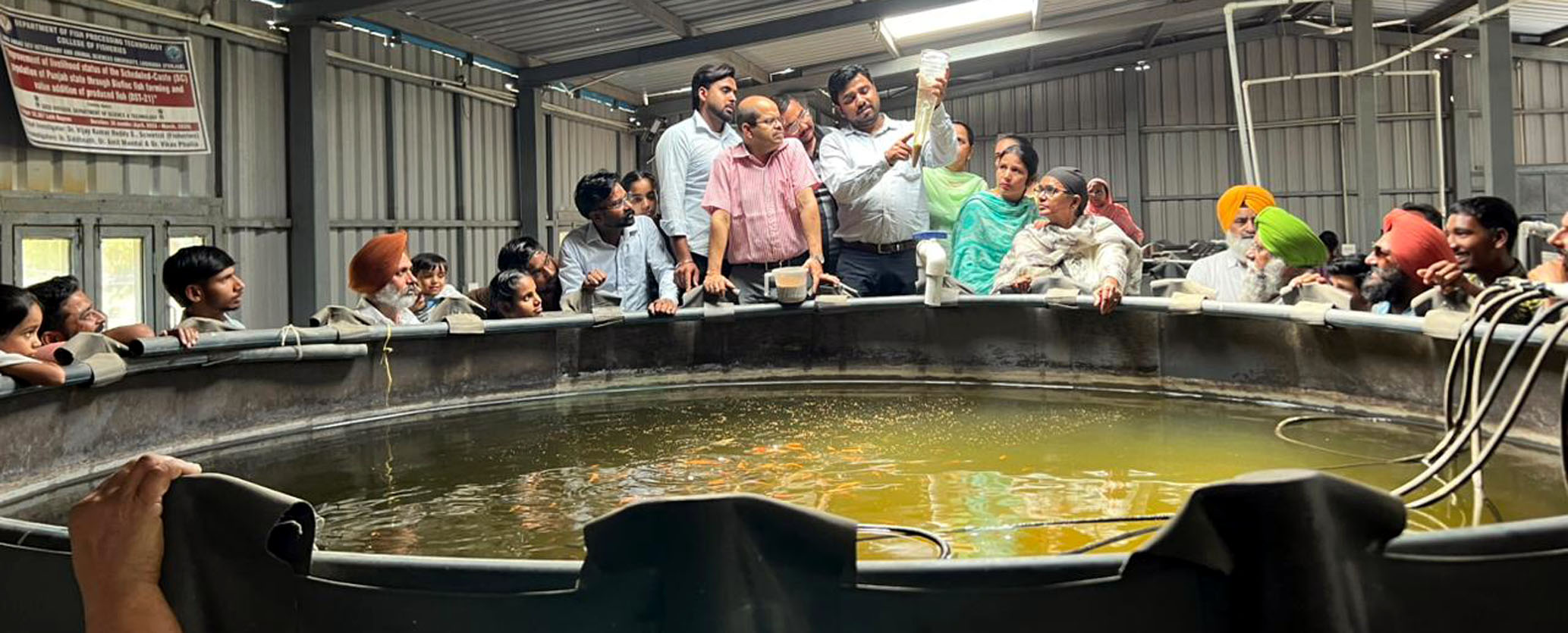 le in sustainable expansion of intensive aquaculture technologies like BFAQ and Recirculatory Aquaculture System (RAS) in Punjab and its neighboring north western states, informed Dr Meera D Ansal, Dean, COF. Dr. Vaneet Inder Kaur, Principal Scientist coordinated the training program,
 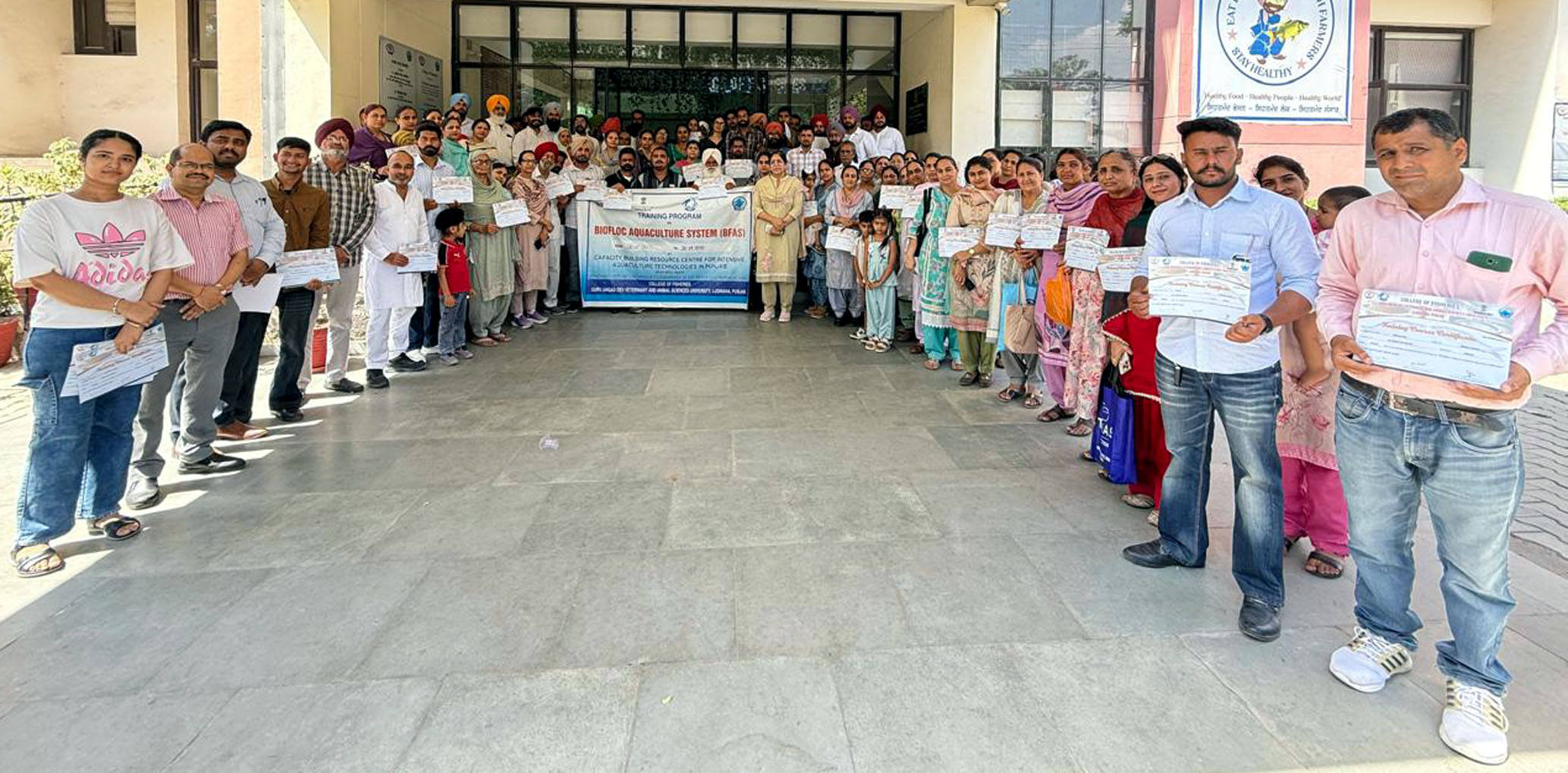 which included two days off-campus technical sessions at Demonstration Farm cum Training Center of DOF, Punjab in village Ena Khera of District Sri Muktsar Sahib and one day on-campus practical sessions at CBRC at Ludhiana. The trainees learnt to set up BFAQ units; select suitable species for BFAQ; produce and manage biofloc; configure biosecurity; operate machinery; test water quality; design feeding regimes; manage aquatic animal health and recycle waste. The program was technically coordinated by fisheries scientists Dr. Amit Mandal & Dr. S. N. Datta. The participants were also apprised of various promotional schemes offering subsidies and loans under PMMSY and Pradhan Mantri – Matsya Kisan Samridhi She -Yojana (PM-MKSSY) schemes. Further, they were urged to register at National Fisheries Digital Platform (NFDP) for securing financial benefits under these schemes and stay connected to Vet Varsity experts for technical updates. Dr. J. P. S. Gill, Vice Chancellor lauded the conviction of stakeholders in the vet varsity. He assured to extend the outreach of BFAQ and RAS in the region, requiring 75-80% less water per kg of fish production and hence, offering food security with added environmental gain.
The College of Veteri.jpeg) nary Science of Guru Angad Dev Veterinary and Animal Sciences University, Ludhiana, organized an oath-taking c
nary Science of Guru Angad Dev Veterinary and Animal Sciences University, Ludhiana, organized an oath-taking c.jpeg) eremony for 100 graduating veterinary students from the 2020 batch. Dr. Anju Poonia welcomed the Chief Guest Dr. Jatinder Paul Singh Gill, Vice-Chancellor.
eremony for 100 graduating veterinary students from the 2020 batch. Dr. Anju Poonia welcomed the Chief Guest Dr. Jatinder Paul Singh Gill, Vice-Chancellor.
Dr. J. Mohindroo, Director of Clinics presented the class report of the batch highlighting the achievements of students in academics, sports, and extracurricular activities. Dr. S. S. Randhawa, Dean of the College, administered the Veterinarian’s Oath, urging graduates to uphold ethical standards in their professional practice.
The graduates expressed heartfelt gratitude t.jpeg) o their teachers for their dedication and support in helping them achieve their goals. They also shared memorable experiences from their time at the university. A video showcasing their academic journey was presented and received wide appreciation.
o their teachers for their dedication and support in helping them achieve their goals. They also shared memorable experiences from their time at the university. A video showcasing their academic journey was presented and received wide appreciation.
Dr. Gill congratulated the graduates and wished them success in their future careers. He encouraged them to stay engaged in extracurricular activities to maintain a balanced and healthy life alongside their professional responsibilities.
The ceremony concluded with vote of thanks by Dr. Randhir Singh. It was attended by university officials, department heads, and faculty members. Sponsored by Carus Laboratories Pvt. Ltd., the event also recognized the top three students in clinical subjects with cash prizes of Rs. 51,000, Rs. 35,000, and Rs. 25,000, respectively.
The College of Dair.jpeg) y and Food Science Tec
y and Food Science Tec.jpeg) hnology, Guru Angad Dev Veterinary and Animal Sciences University, Ludhiana organized a Milk Awareness Camp at Police DAV Public School. The program aimed to promote awareness about the nutritional importance of milk and to highlight career opportunities in Dairy and Food Science Technology for the budding technocrats. Students were briefed about undergraduate programs such as B.Tech (Dairy Technology) and B.Tech (Food Technology), along with higher education prospects and diverse career options in dairy and food industries, quality control laboratories, research and development, entrepreneurship and government sectors.
hnology, Guru Angad Dev Veterinary and Animal Sciences University, Ludhiana organized a Milk Awareness Camp at Police DAV Public School. The program aimed to promote awareness about the nutritional importance of milk and to highlight career opportunities in Dairy and Food Science Technology for the budding technocrats. Students were briefed about undergraduate programs such as B.Tech (Dairy Technology) and B.Tech (Food Technology), along with higher education prospects and diverse career options in dairy and food industries, quality control laboratories, research and development, entrepreneurship and government sectors.
A session on detection of milk adulteration was also conducted. The lectures, delivered by Dr. Narendra Chandla and Dr. Ankit Goyal was designed to guide students in making informed career choices and to inspire them to explore this dy.jpeg) namic and growing field.
namic and growing field.
Dr. S. P. S. Ghuman, Dean, College of Dairy and Food Science Technology, appreciated the organization of the Milk Awareness Camp and highlighted its importance in creating awareness about the nutritional value and quality of milk. He emphasized that such initiatives are instrumental in motivating students to explore career opportunities in dairy and food science and reaffirmed the institute’s commitment to outreach and education. He informed that the admission process has been finalized so the students should remain in touch with different social media platforms and website of the university www.gadvasu.in for further update.
World Veterinary Day (WVD), observed annually on the last Saturday of April, was celebrated with great enthusiasm by Guru Angad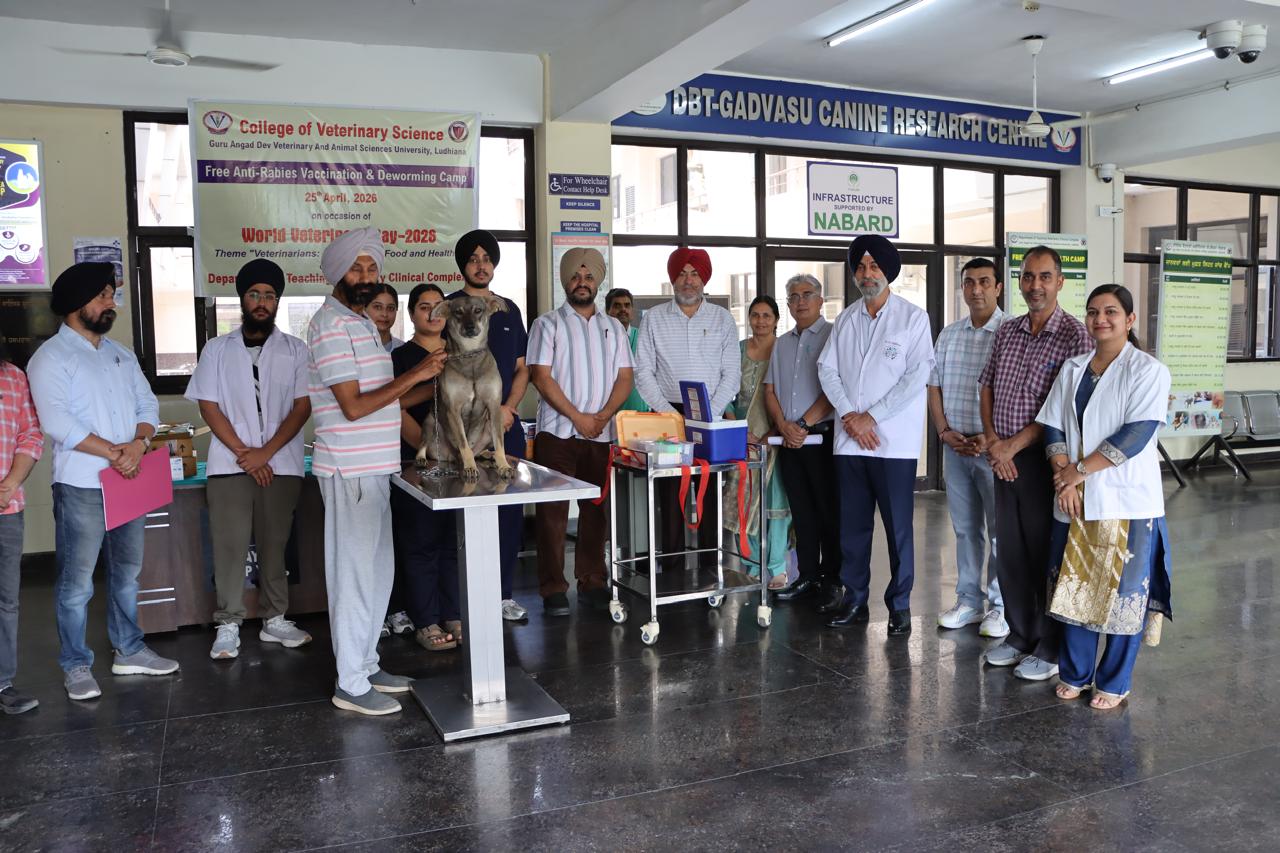 Dev Veterinary and Animal Sciences University , Ludhiana, on April 25, 2026, at the Mul
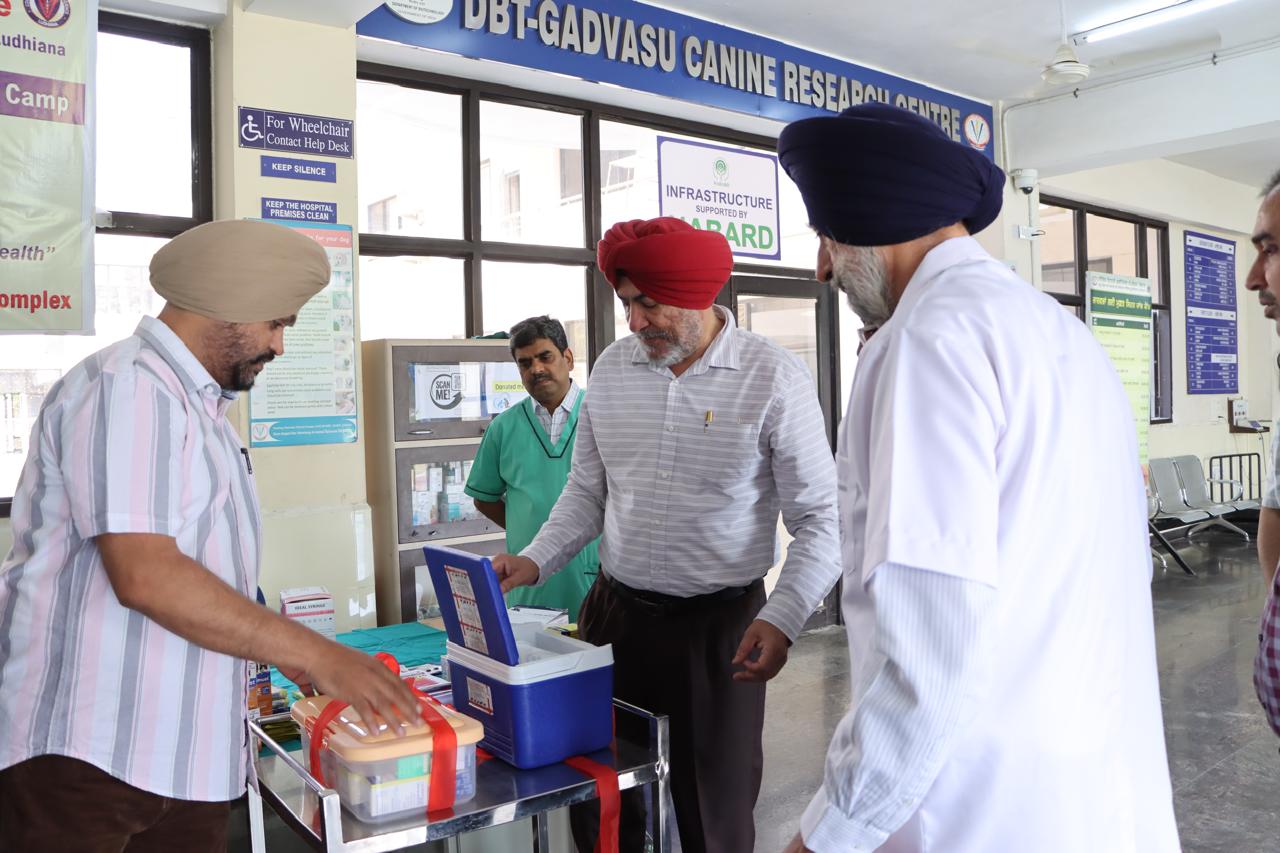 tispecialty Veterinary Hospital. This year’s theme, "Veterinarians: Guardians of Food and Health," highlights the essential role of veterinarians in ensuring food safety, food security, public health and animal welfare. On this occasion, the teaching veterinary hospital organized an anti-rabies vaccination and deworming camp for the animal owners. The event was inaugurated by Dr. J. P. S. Gill, Vice Chancellor. Dr. S. S. Randhawa, Dean, College of Veterinary Science also graced the occasion . Dr. J. Mohindroo, Director of Clinics educated the pet owners regarding the importance of proper vaccination and deworming for keeping their pets safe and healthy from serious and life threatening diseases. C
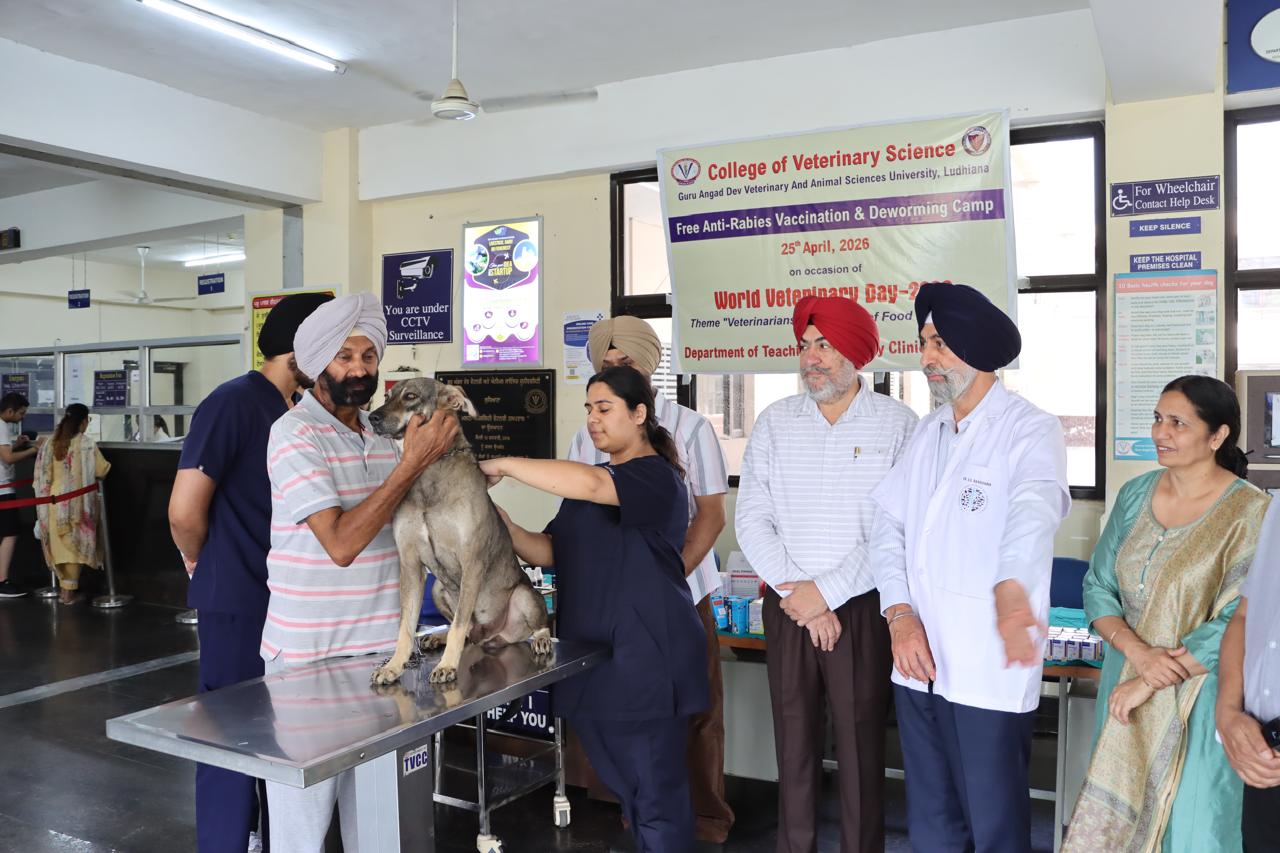 alcium supplements, dewormers and other feed supplements were also distributed free of cost to the pet owners. The pet parents were also given consultancy regarding various queries.
Inaugurating the camp, Dr. Gill, underscored the vital role of veterinarians play in safeguarding animal health, public health and called for strengthened community engagement and preventive care. Dr. Randhawa highlighted the university’s commitment to One Health Principles and praised students and staff for organizing the event. Dr. Raj Sukhbir Singh appreciated the contributions made by Virbac Animal Health India Pvt. Ltd., Alembic Pharmaceuticals Ltd., Carus laboratories Pvt. Ltd. for providing complimentary vaccines and supplements.
An expert team of scienti.jpeg) sts of Guru Angad Dev Veterinary and Animal Sciences University, Ludhiana organized three ‘Farmer-Scientist Interactions’ with goat farmers. The team under the guidance of Dr. J P S Gill, Vice-Chancellor is associated with the prestigious All India coordinated research
sts of Guru Angad Dev Veterinary and Animal Sciences University, Ludhiana organized three ‘Farmer-Scientist Interactions’ with goat farmers. The team under the guidance of Dr. J P S Gill, Vice-Chancellor is associated with the prestigious All India coordinated research .jpeg) project on Goat Improvement (Beetal Field Unit) which is operational in the University for Genetic Improvement of Beetal goats in Punjab. It's in collaboration with Indian Council of Agricultural Research and Central Institute for Research on Goats (Makhdoom).
project on Goat Improvement (Beetal Field Unit) which is operational in the University for Genetic Improvement of Beetal goats in Punjab. It's in collaboration with Indian Council of Agricultural Research and Central Institute for Research on Goats (Makhdoom).
Twin veterinary awareness camps for goat farmers were organize.jpeg) d at Rayia and Jethuke village by Co-Principal Investigator Dr. Ravdeep Singh. He highlighted the importance of scientific goat rearing practices, focusing on improved breeding strategies, proper nutrition, animal welfare and stress management. Essential season specific inputs were distributed to farmer groups and clusters to strengthen collective efforts.
d at Rayia and Jethuke village by Co-Principal Investigator Dr. Ravdeep Singh. He highlighted the importance of scientific goat rearing practices, focusing on improved breeding strategies, proper nutrition, animal welfare and stress management. Essential season specific inputs were distributed to farmer groups and clusters to strengthen collective efforts.
Dr. Arunbeer Singh coordinated an interaction with goat farmers at the Farm School in village Pamaal, where the experts motivated the farmers for timely vaccination of the goat kids to raise worthy replacement stocks. The farmers were also provided with vaccination cards for goats and health kits to deal with summer stress in goats.
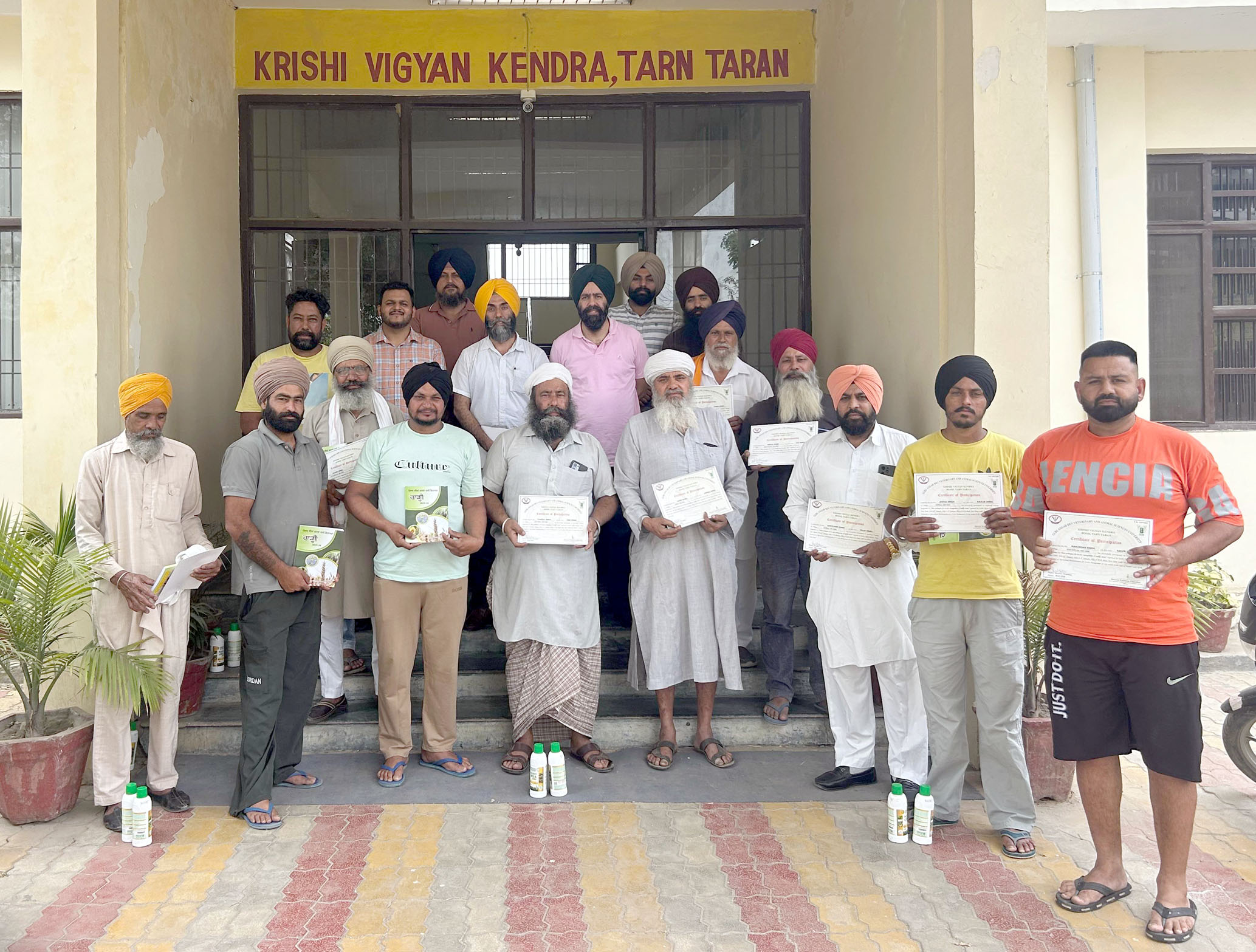
An awareness camp focusing on the balanced and judicious use of fertilizers was successfully organized at Krishi Vigyan Kendra,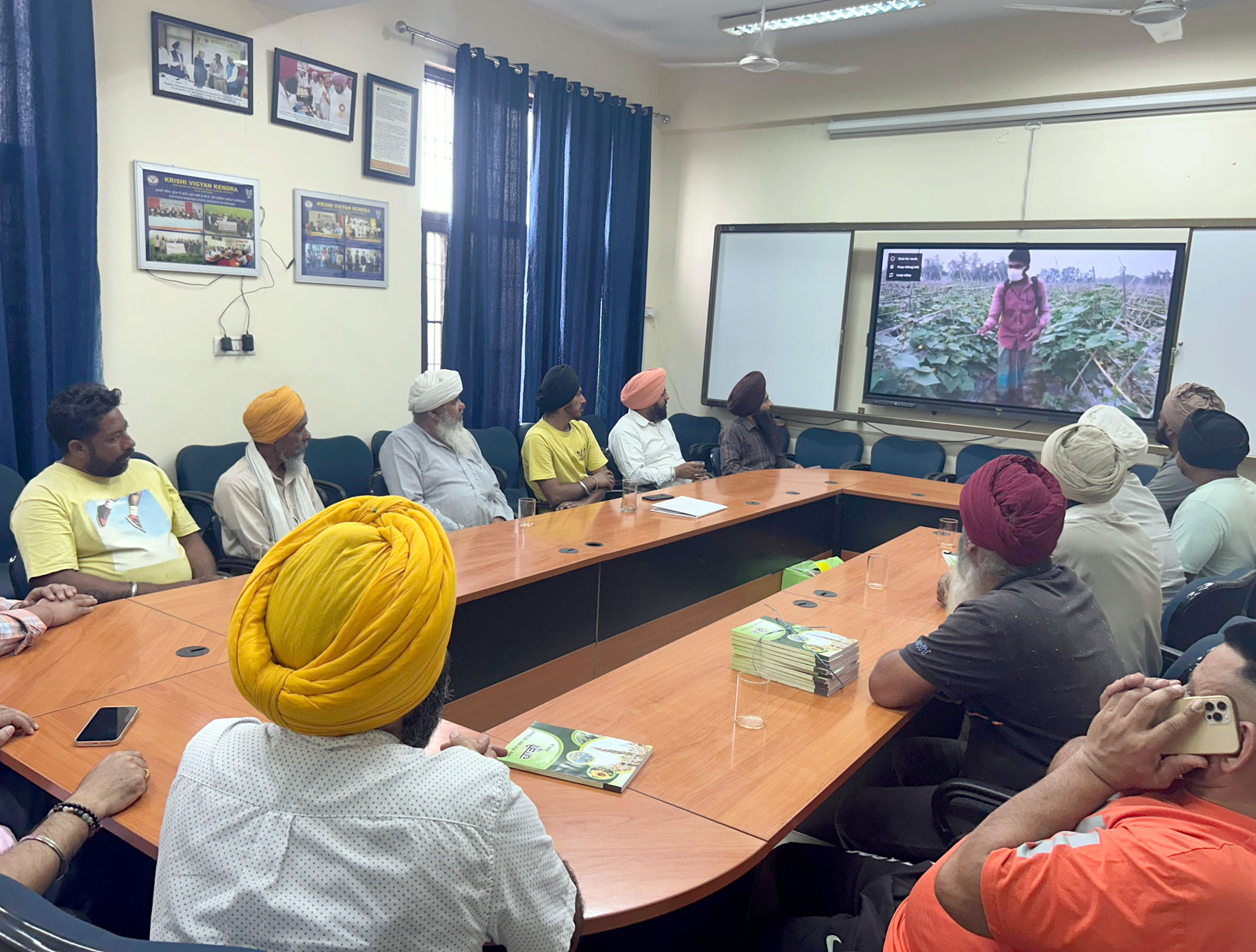 Booh (Tarn Taran). The event witnessed an active participation from local farmers.
The primary objective of the camp was to educate farmers about the importance of soil health and the role of balanced fertilization in improving crop productivity while minimizing environmental impact. Dr Navjot Singh Brar emphasized the need to adopt soil testing-based fertilizer application rather than relying on excessive or imbalanced use of chemical inputs.
Dr Prabjeet Singh, Deputy Director of the KVK, in his address said that balanced fertilizer use is essential for maintaining long-term soil productivity and reducing input costs.
 Dr R.S Grewal, Director of Extension Education stressed that continuous farmer training and awareness programs are key to promoting sustainable agriculture in the region.
Dr. J.P.S Gill, Vice Chancellor of vet varsity lauded the initiative and stated that such awareness camps are crucial for ensuring food security and environmental conservation.
Interactive discussions allowed participants to share their experiences and challenges, with experts providing practical solutions tailored to local farming conditions. The camp concluded with a strong appeal to farmers to adopt balanced fertilizer use for long-term sustainability, improved yields, and environmental conservation. Farmers were also shown an educational video of ICAR showcasing balanced use of fertilizers.