
The flood situation in Punjab and neighbouring states is posing a serious challenge for farmers and livestock keepers. Due to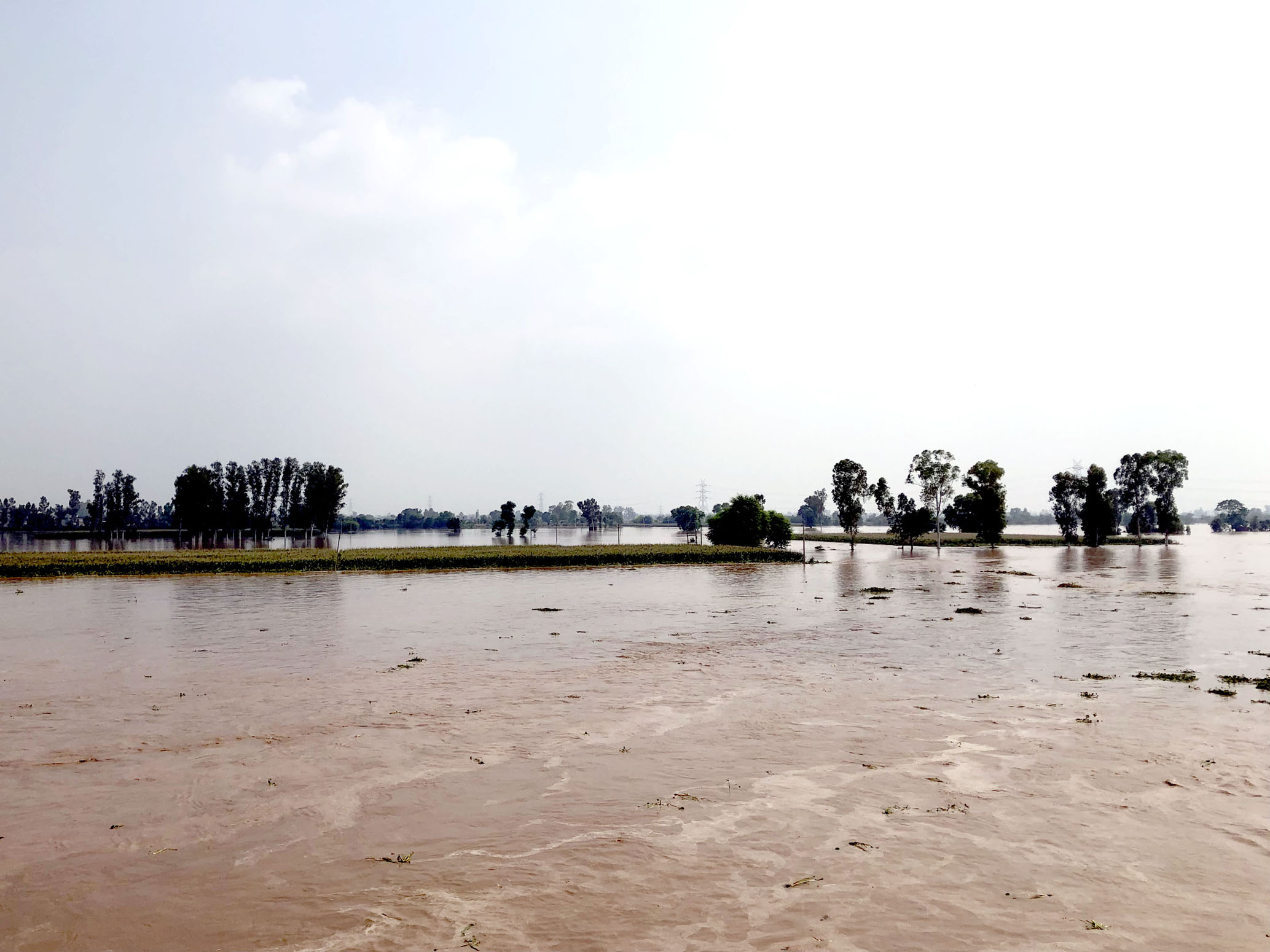 flood water, livestock can be at risk of infectious diseases and parasites. There can be a severe shortage of fodder crops, straw and feed due to stagnant water, which has further adverse effects on livestock. Parasites like mosquitoes, flies, leeches and ticks also thrive in these conditions. While describing these worries in the tuff time Dr. Ravinder Singh Grewal, Director of Extension Education, Guru Angad Dev Veterinary and Animal Sciences University, Ludhiana advised that it is necessary
 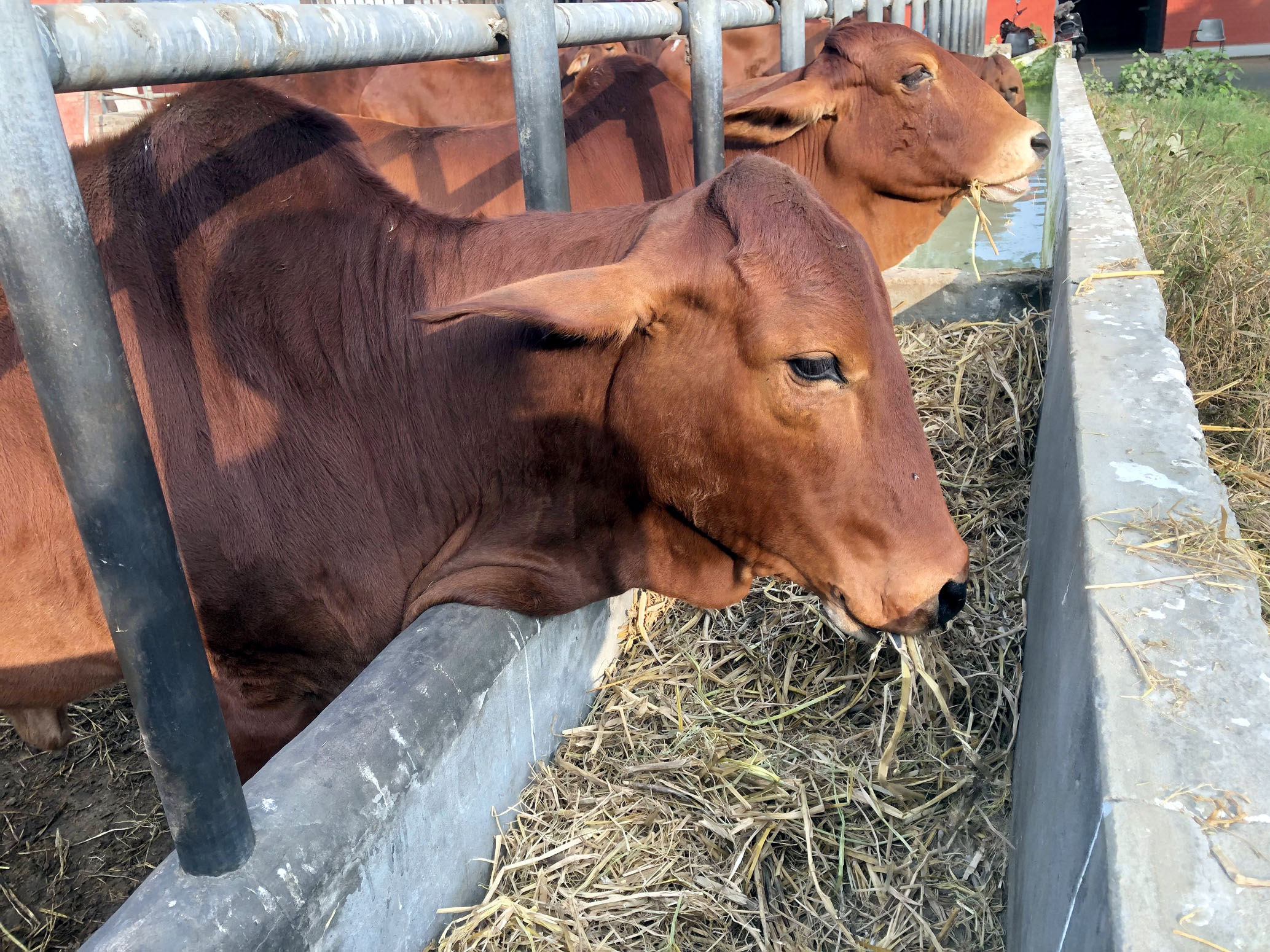 to move livestock to a safe place away from flood-affected areas, wherever possible.
He informed that due to flies and mosquitoes, 3-day sickness becomes very common in livestock. Necessary arrangements need to be made at the local level for protecting the animals against them. Ticks can cause babesiosis in livestock. To control ticks in the sheds/enclosures, cracks or gaps in the shed floor and walls should be filled and sprayed with recommended chemicals while taking proper care in consultation with veterinary experts.
Flood water may be polluted with Salmonella and E. coli which can cause severe diarrhoea in animals. Apart from this, animals may suffer from tetanus, abortions and jaundice due to Clostridium and Leptospira. To prevent these diseases, the quality of water can be checked. The water being offered to calves can be boiled first and cooled.
Standing for long hours in a wet place can cause the hooves of the animals to rot and the animal may become lame. Dr. Grewal suggested that if possible, dry/straw etc. should be spread on the floor. To maintain the hooves, they can be cleaned with calcium carbonate powder or dipped in 5 percent formalin solution.
Due to increased humidity in the environment, animals can also be affected by respiratory issues, Haemorrhagic Septicaemia and Mastitis. Consult a veterinarian to vaccinate the animals against Lumpy Skin Disease and Haemorrhagic Septicaemia. To protect them from Mastitis, the teats should be dipped in a solution of 3:1 parts of Betadine and Glycerine after milking.
Humidity also promotes fungal growth in animal feed/grain and straw etc., which can lead to toxicity in the animals. Keep the animal feed in a dry and elevated place to protect it from fungus. Vitamin supplements can be used to strengthen the immune system of animals to fight against diseases. The use of mineral mixture is very important for the health of livestock. In case of shortage of fodder and feed, 1 quintal paddy straw can be treated with a solution of 30 litres of water, 3 kg of molasses and 1 kg of urea and fed to the animals.
Farmers can contact the university at 62832-58834 and 62832-97919 to discuss and resolve problems related to livestock health and management.